Multifunctional anti-amyloid peptides
Multi-site & multi-target inhibition plus aggregate remodeling
Technical University of Munich
Aberrant amyloid self-assembly and cytotoxicity of Aß, a-synuclein and IAPP (or amylin) are linked to the pathogenesis of Alzheimer's (AD), Parkinson’s disease (PD) and type 2 diabetes (T2D). These diseases are major health problems worldwide and have interconnected molecular mechanisms, partly through so-called "cross-seeding" of their amyloid proteins; this may link their pathologies and result in comorbidities and further complications in their treatment.
Amyloid diseases involve complex, disordered proteins that are difficult to target. Current inhibitors (antibodies, small molecules, peptides) have drawbacks such as low stability, low specificity, poor blood-brain barrier (BBB) permeability, and high production costs. Only a few controversial treatments are available, and no early diagnostic tests exist for amyloid formation.
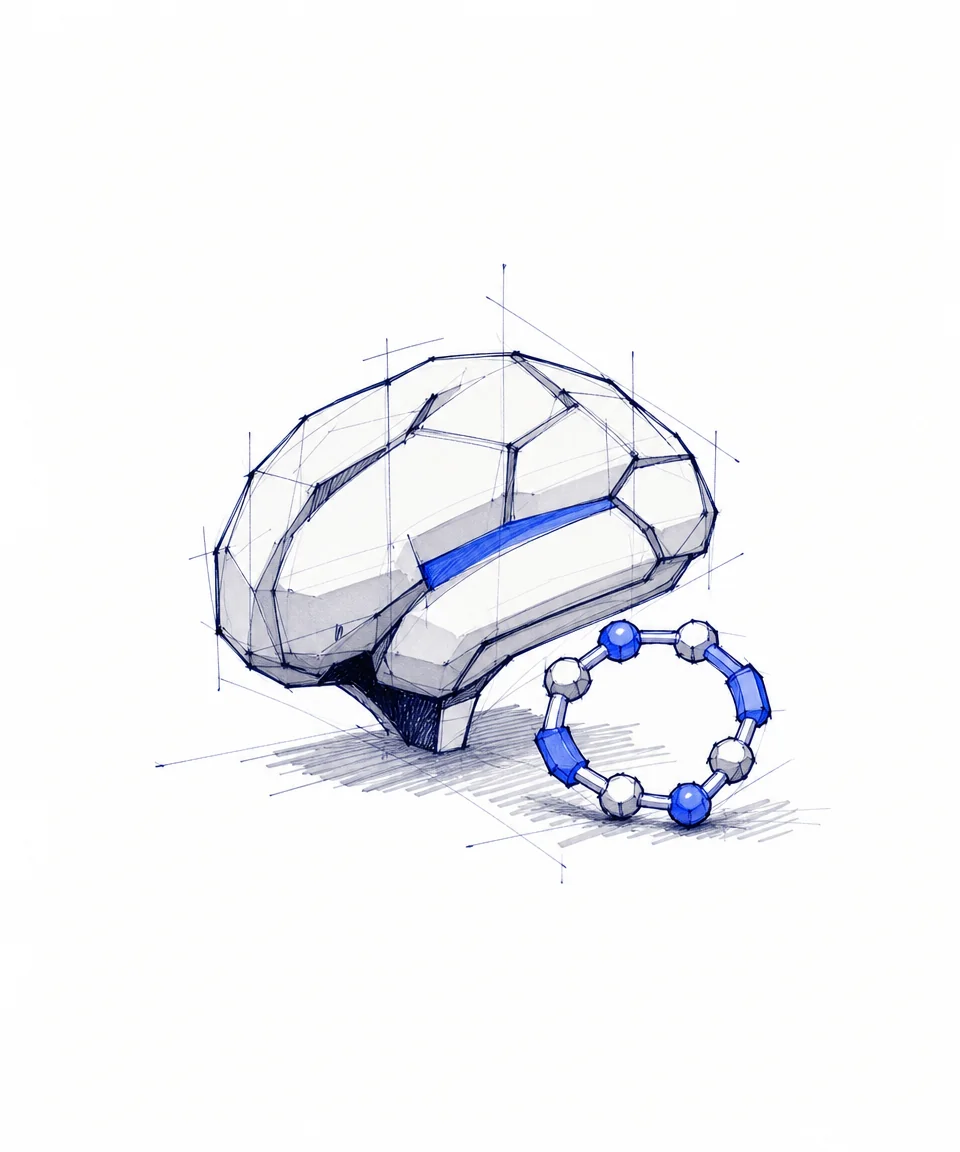
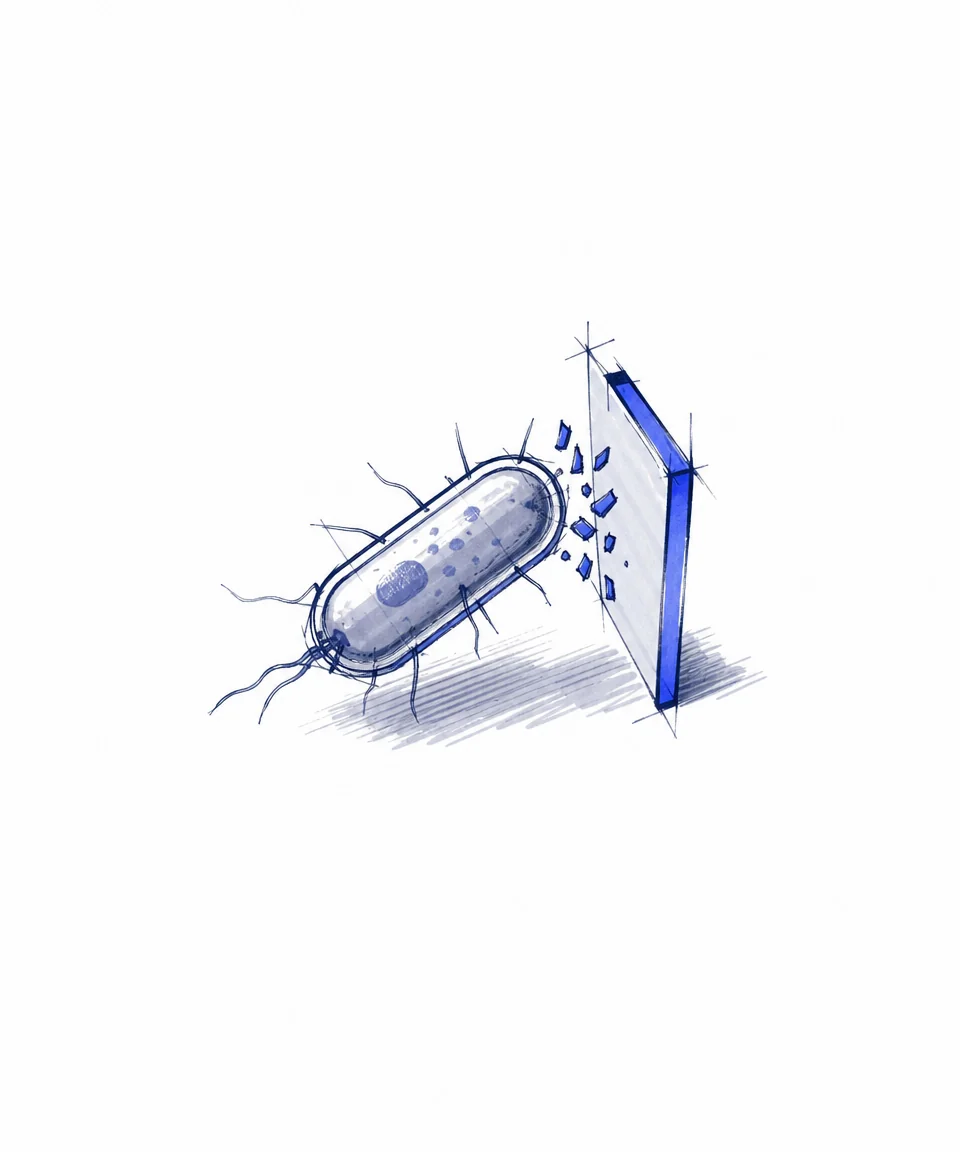
A new class of drugs called Multifunctional Anti-Amyloid Cyclopeptides (MAACs), focusing on short, cyclized hexapeptides were developed. These peptides are designed to mimic key AD, T2D, and PD amyloid protein contact points, ensuring high affinity and specificity for these amyloid proteins. The lead MAAC (termed 2i) can inhibit the self-assembly (aggregation) of each of these proteins into toxic forms and to block cross-seeding between these proteins, which otherwise may accelerate disease progression and comorbidity . Moreover, MAACs are able to remodel or disassemble toxic amyloid oligomers and fibrils into non-toxic forms.