

Challenge and innovation
Conventional nanosensors often rely on dual-receptor or sandwich architectures. Detection therefore requires sufficiently large molecules with two suitable binding sites, such as two epitopes. Small molecules, nucleic acids or single-epitope targets may not generate a sufficient signal. In addition, many existing sensors measure intensity changes rather than directly resolving the molecular motion underlying the detection event.
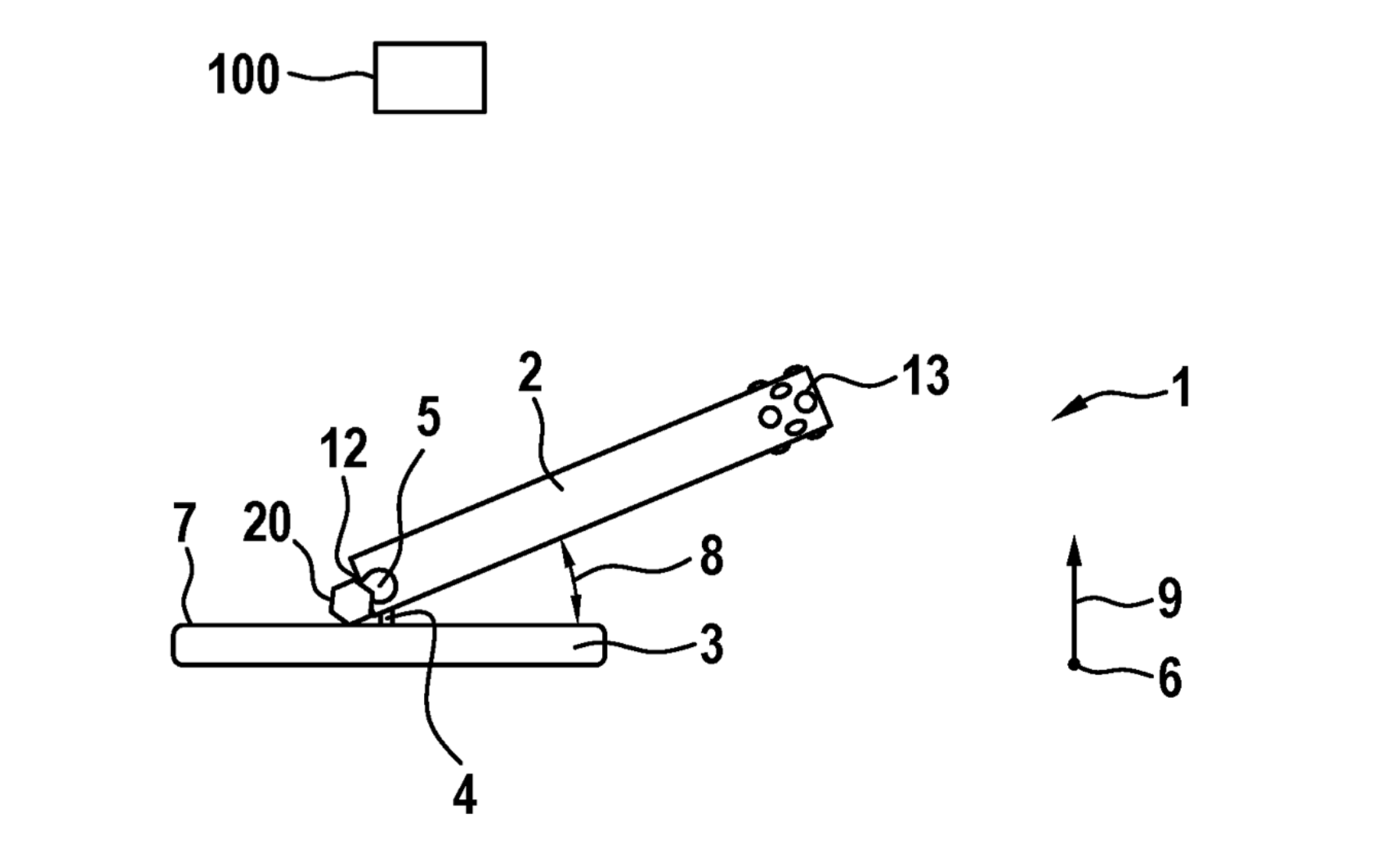
The technology introduces a mechanically responsive nanosensor in which one binding structure per joint is sufficient to generate a detectable signal. Target binding changes or limits the destruction-free mobility between two nanostructures, for example by blocking a hinge or reducing a defined rotation angle. DNA origami can be used to precisely position the structures, hinges, receptors and optical labels. Detection is possible through single-molecule fluorescence tracking, FRET or surface plasmon resonance, enabling flexible sensor formats for different analytes and readout platforms.

Talk to an expert
Interested in learning more about this technology offer, exploring potential applications or discussing a possible collaboration? Get in touch to learn more.