Technologien

Hier finden Sie alle verfügbaren Technologien unserer bayerischen Hochschul- und Universitätspartner.

Thank you! Your submission has been received!
Oops! Something went wrong while submitting the form.
Tag
Showing 0 of 100
Mechanical Engineering
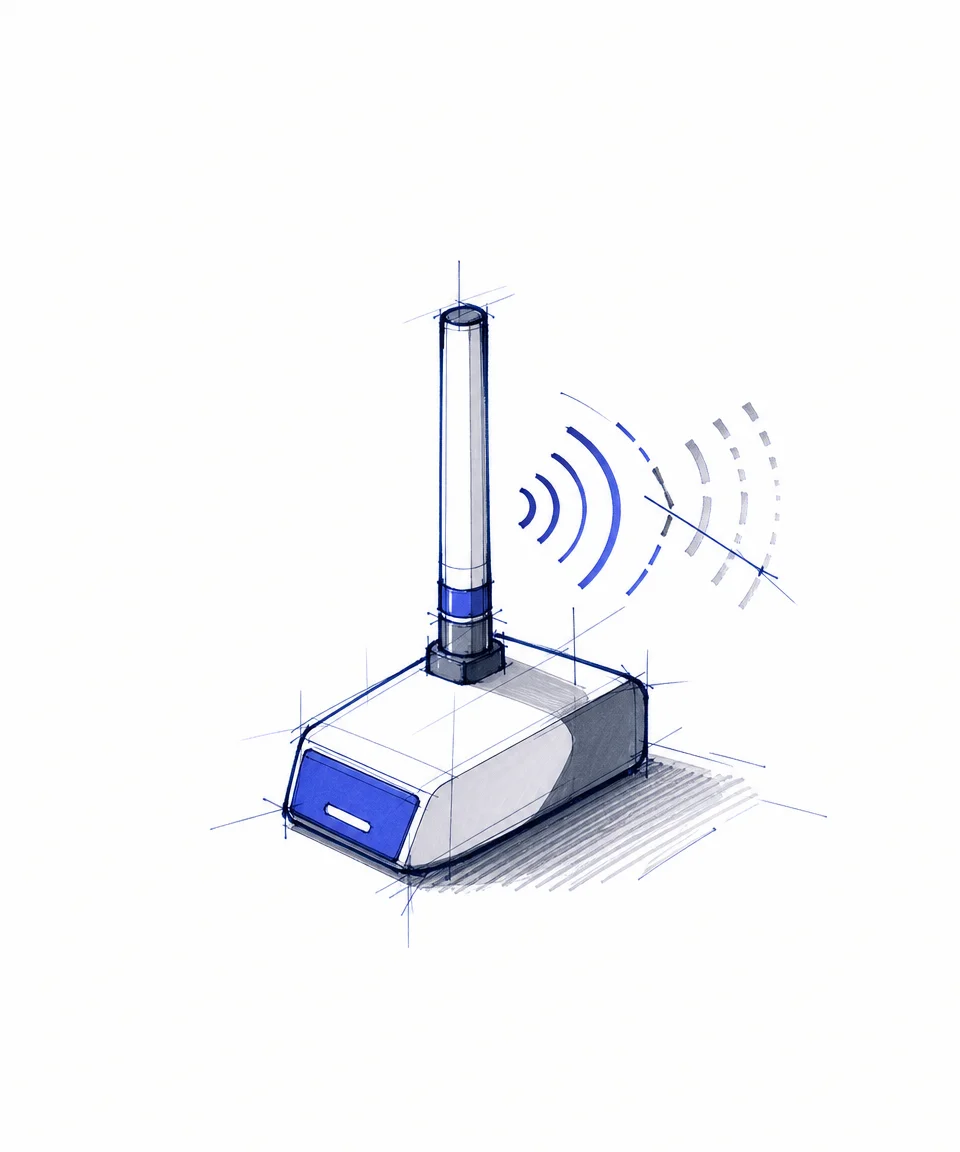
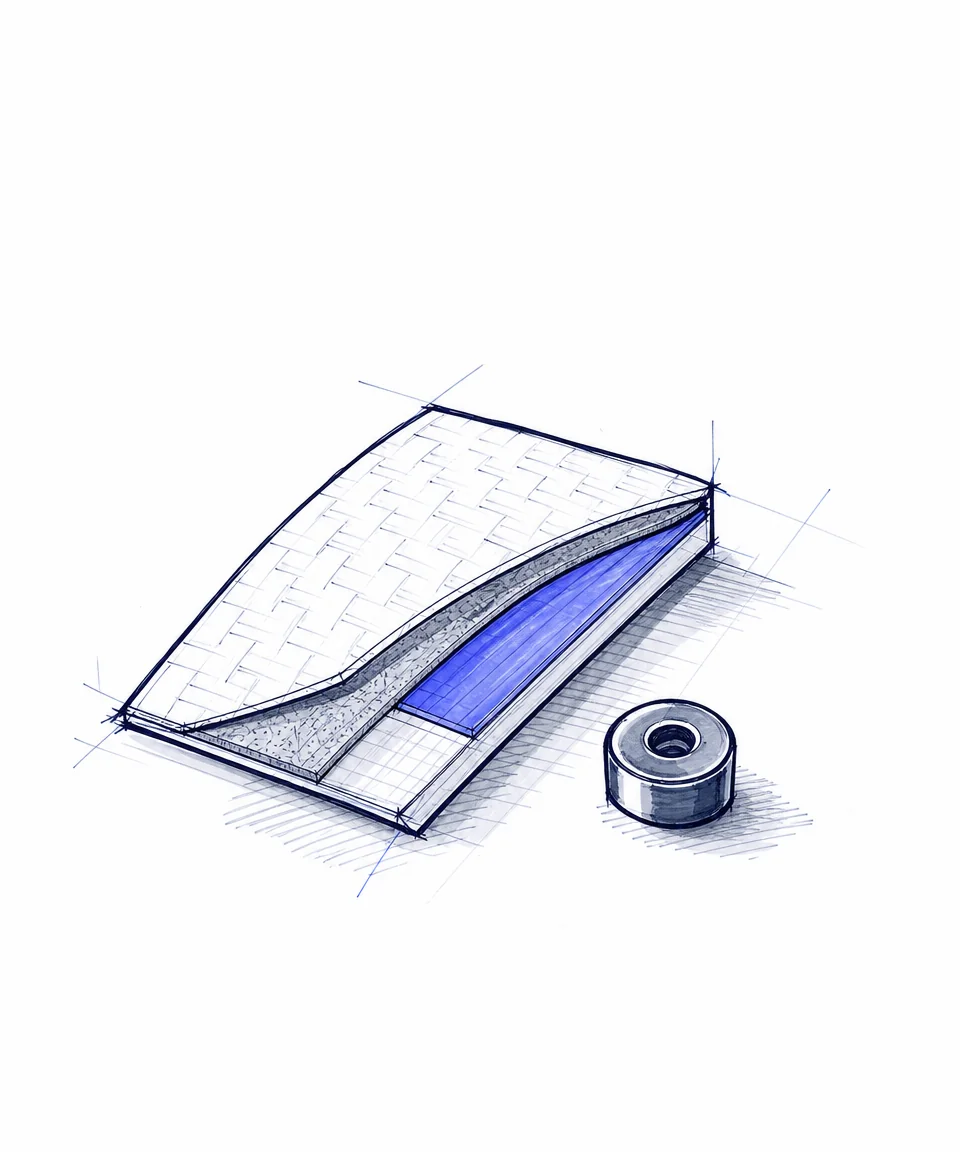
Moisture sensor for buildings offering depth resolution
Easy to install and multi-material compatible.
Technical University of Munich
Classic moisture sensors in architecture detect moisture in a building material by means of electrical resistance measurement. However, this does not allow any conclusions to be drawn about how the moisture is distributed inside the building component. Thanks to its segments, this newly developed multi-ring-sensor provides precise information about the distribution of moisture in the depth of the building material.
This new moisture sensor detects electrical resistance along its entire installation length. This gives definite conclusions about the moisture content of the monitored building material in different layers of depth. The sensor is suitable for instantaneous as well as long-term measurements in structures made of wood and concrete in particular. Problem areas and risks, such as moisture-induced reduction of compressive and flexural strength, are detected at an early stage, preventing damage.
Due to its elastic design, the system is suitable for permanent stationary use even in dynamic materials. The design uses elastic electrodes, which enable reliable contacting of the building material over the entire borehole. It records the moisture content in all layers over the length of the installation. The sensor measures the electrical resistance frome zone to zone and is suitable for permanent building monitoring over long periods of time. It can additionally be equipped with a commercially available high resistance measuring device and the possibility of sensor data export (e.g. via radio or WLAN).
Therapeutics
Anti-SEMA7A for the treatment of post-ischemic tissue damage
SEMA7A inhibitors effectively prevent heart tissue from reperfusion injury
Julius-Maximilian-University Würzburg
Myocardial infarction remains one of the leading causes of death worldwide. Treatment involves early reperfusion of the myocardium, which however can induce reperfusion injury, causing additional damage to the originally ischemic tissue. Semaphorin 7A (SEMA7A) inhibition offers a specific molecular target to protect the myocardial tissue from reperfusion injury.
Current treatment options for reperfusion injury are limited and mainly include ischemic preconditioning, antioxidant therapies and anti-inflammatory medications. However, these approaches show only moderate efficacy and cannot specifically target the complex thromboinflammatory processes triggered by platelet-neutrophil complexes. New therapeutic approaches are urgently needed because despite successful reperfusion, up to 50% of patients still suffer significant myocardial damage.
The invention is based on the observation that platelet – neutrophil complexes (PNCs) are increased in patients with acute myocardial infarction and that this is associated with increased levels of neuronal guidance protein semaphorin 7A (SEMA7A). By inhibiting SEMA7A, the myocardial tissue can be protected from reperfusion injury. SEMA7A inhibition offers for the first time a specific molecular target to interrupt the pathological interaction between red blood cells, platelets, and immune cells, thereby significantly reducing the extent of reperfusion injury.
Platform and Technologies
Hydrogel prevents post-infarct cardiac arrhythmia
Electrically conductive collagen-PEDOT:PSS hydrogel
Friedrich-Alexander-University Erlangen-Nürnberg
Heart attacks often lead to tissue damage and life-threatening arrhythmias, as current treatments cannot restore healthy cardiac function. This novel injectable, electrically conductive PEDOT:PSS hydrogel ((poly(3,4-ethylenedioxythiophene) polystyrenesulfonate)) is designed to improve electrical signal transmission and allow repairing damaged heart tissue, by cell therapy—offering a promising solution for long-term cardiac recovery.
Current therapies for post-infarct cardiac repair are unable to restore lost tissue or reliably prevent arrhythmias. Implantable devices only treat the symptoms but they do not heal the tissue. Drug therapies are only partially effective and can cause side effects. There is an urgent need for new, cell-compatible materials to enable lasting heart regeneration and electrical stability.
This technology combines collagen and PEDOT:PSS to create an injectable, electrically conductive hydrogel that mimics native heart tissue. Unlike standard biomaterials, it restores electrical conductivity in damaged areas and allows ensures safe integration of stem cell-derived cardiomyocytes and effectively restores electrical conductivity in damaged areas. The hydrogel prevents arrhythmias, supports cell therapy, and enables true cardiac tissue regeneration—setting a new standard for post-infarct treatment.
Mechanical Engineering
New Orientation Device for SFRC Segments
Orientation of fibers guarantees crucial mechanical properties
Technical University of Munich
Fibers in steel fiber reinforced concrete (SFRC) improve mechanical properties of the material like the post-cracking tensile strength, crack resistance and/or ductility. However, the properties of concrete-fiber mixtures depend strongly on the amount and the orientation of the fibers. In general, the effect of the fibers is the greater the more fibers are aligned in the direction of the considered tensile stresses.
When manufacturing components with SFRC, the concrete-fiber mixture is usually poured into a mold. In the resulting component the fibers have an essentially random fiber orientation. The challenge in designing segments using SFRC consists of transferring the tensile splitting stresses that occur predominantly at the joints. A segment with non-oriented fibers cannot guarantee the necessary stability.
The present invention is a fiber orientation unit that allows for an improved at least partial orientation of fibers in a preferential fiber direction, as well as easy movement of the orientation unit through a fiber-concrete mixture. The technology introduces strategically positioned grid-like alignment devices that are drawn through the concrete during the compaction phase of segment production. The cross-section can be divided into zones with predictable fiber alignment, allowing an accurate prediction of the fiber alignment in the critical areas of the device.
Therapeutics
Antidromic strategies to target RASopathies
Direct RAS targeting with bispecific PCC antibodies
Julius-Maximilian-University Würzburg
Immunotherapies have revolutionized cancer treatment but relapses frequently happen due to resistance development and there is a high medical need for effective and new targeted therapies. A key obstacle is the lack of unique extracellular tumor antigens. Interestingly, oncogenes RAS (KRAS, HRAS, and NRAS) are often expressed in resistant malignant cells. These genes are the most common oncogenes in human cancer. RASopathies are a heterogeneous group of rare diseases in which mutations in the Ras genes lead to overactivation of the RAS-MAPK signaling pathway and, among others, an increased risk of cancer.
Ras proteins are hubs of various signaling pathways activated by external stimuli and control gene expression and regulate cell proliferation, differentiation and survival. Strategies to target RAS directly in malignant cells include small-molecule inhibitors, intrabodies crossing the plasma membrane and binding RAS in the cytosol or targeting RAS mutant peptide in the HLA complex present on the cell surface via HLA-restricted antibodies. However, current RAS targeting antibodies have major drawbacks.
It was discovered that on certain malignant cancer cells RAS proteins are expressed in very small quantities on the outer side of the cell membrane. Aberrant RAS expression was found on CD138+ cells from multiple myeloma (MM) patients using mass spectrometry and low expression of RAS was found on viable leukeimc cells. Different antibodies, targeting all three RAS proteins (KRAS, NRAS and HRAS), were recombinantly produced to target bispecific T cell engagers . These PCC (protein catalyzed capture) antibodies effectively target lowly expressed extracelullar RAS antigens on MM cells constructs were shown to redirect cytotoxic T cells against a human pancreatic tumor cell line in vitro.
Chemistry
Additives for Adhe-sives in Wood Con-struction Products
Redistribution of the Shear Forces and Improved Mechanical Stability
Technical University of Munich
Due to climate change and wood pests, spruce availability is decreasing, while the demand for construction wood products increases as part of a low-CO₂ economy. Alternative wood species like beech, birch, larch, and Douglas fir are considered. However, the stable and durable bonding of such wood species with one-component polyurethane (1C-PUR) adhesives currently still poses a challenge. The use of additives in the adhesive formulation brings a better penetration of the adhesive into the wood structure, which forms a thicker modified wood layer and a stronger bonding that prevents delamination.
The presence of additives in the 1C-PUR adhesives solves the issues regarding the use of primers or wood surface treatment when gluing different wood species. The technology has been successfully tested on beech wood in particular. While additives work well with the tested wood species, the final composition of the 1C-PUR adhesive has to be adapted and tested for each wood species to be used, and the resulting load-bearing timber construction product approved.
This invention allows for the use of different available wood species by adapting the fast-curing 1C-PUR adhesives, which modify the wood interface upon creating an intermediate modified wood layer. The use of additives in the adhesive composition avoids extra production steps, new machinery and longer processing time, making the process cheaper and the products more competitive. Therefore, an enhancement in terms of an increased adhesive performance and lower costs due to the availability of the compatibilizing additive can be achieved.
Electrical Engineering and Energy
High-Efficiency Converter for Vari-able Speed Drives
Switching losses reduced by more than 30 %
Technical University of Munich
Electric motors power industry automation, robotics, drilling, compressors, pumps, fans and many other machines. Whenever the load on the motor is changing with time, a Variable Speed Drive (VSD) is preferable due to its high operational efficiency and flexibility. If the motor is interfaced with a three-phase grid and requires bidirectional power flow, the VSD is commonly designed as a Voltage source Back-to-Back Converter (V-BBC). This invention further improves the efficiency of a V-BBC.
The V-BBC enables bidirectional power flow at a high conversion efficiency with a rather simple topology of only 12 semiconductor switches. Thereby, the Voltage-Source Rectifier (VSR) facing the grid, and the Voltage-Source Inverter (VSI) driving the load are usually both run with a 2/3 discontinuous pulse-width modulation (DPWM), where the switches in two out of three legs of both the VSR and VSI are active at any given time and the DC-link voltage is fixed at a constant (high) value.
The invention introduces a new form of swit-ching pattern of the semiconductor switches of the V-BBC. As in the regular case, either the VSR or VSI runs with a 2/3 DPWM, with two legs switching and one leg clamped to one of the DC-link rails. However, on the other side of the V-BBC, only one leg is switching, while the remaining legs are clamped to the negative and positive rail of the DC link respectively. The voltage of the DC link follows the highest line voltage. This still allows for synthesizing AC currents in all phases while reducing the number of switching transitions, maintaining the minimum possible DC-link voltage, and thus minimizing the switching losses.
Chemistry
Natural Antioxidants for food or cosmetic oils and fats
Natural ingredients with stronger stabilization than petrochemical benchmark antioxidants
University of Regensburg
The technology uses natural antioxidants and antibacterial agents e.g. to preserve food, bio-based cosmetics, and eco-friendly household products. Highly effective, non-toxic additives are used to create truly green, natural products with competitive product and storage properties. Cost-effective components allow for eco-friendly products with high customer acceptance. These products can also replace less preferred hydrophobic antioxidants and/or generate stable formulations (e.g. for deep frying or other high-temperature applications).
Plant oils and animal fats are prone to oxidative degeneration affecting taste, performance, and storage capability of the respective products. In addition, water-containing formulations form an ideal breeding ground for bacteria. Especially for food and cosmetic applications, highly effective natural antioxidants that are soluble in hydrophobic formulations are highly sought after.
Special bio-based solubilizers are used to dissolve hydrophilic antioxidants in oils. As a result, formulations are not limited to the usage of hydrophobic additives. This does not only enable the usage of a wider range of antioxidants, but also gives access to natural stabilizers that are distinctly more effective than hydrophobic ones. According to the polar paradox theory, hydrophilic antioxidants are especially effective in hydrophobic media and vice versa. Thus, it is possible to use natural, hydrophilic stabilizers that are several times more effective than common oil-soluble, petrochemical additives applied in industry.
Mechanical Engineering
Rotating reactor for heterogeneous transfer of substances
Possible use of smaller solid particles with improved throughput and extended functionality
Technical University of Munich
Mass transfer processes are preferably performed via transfer between a fluid medium and solid reactant. The production of chemicals in the pharmaceutical-, cosmetic- or nutrition industry frequently involves mass transfer reactions such as immobilized enzymatic reactions, adsorption purifications and decoloration applications. Rotating bed reactors, which retain the solid phase in the center of a rotating cylinder, are particularly suited to meet the needs of such applications in terms of efficiency, catalyst lifetime and process time.
Conventional bed reactors consist of a rotating cylinder filled with solid particles, which is continuously flushed with the liquid to be treated. If the particles are too small, the centrifugal forces form a dense bed of solids through which the liquid medium can hardly diffuse. Thus, the particle size of current systems is limited and very small particles tend to be carried along with the flow of the liquid phase material and impair the relative movement between the different materials.
The rotating reactor is configured like a planet-sun system . It comprises a flow distributor and a drive unit, with the flow distributor configured to submerge in a fluid medium and to generate a flow of the fluid by rotating around the rotation axis and the drive unit configured to move the flow distributor perpendicular to the rotation axis. This configuration positively affects the rate of the mass transfer reaction . The reactor does not require additional valves, pumps or pipeworks for controlling circulation, transition or percolation of the fluid medium through the containment of the solid reactant and is fully compatible for the use of very small particles.
Green Tech
Wind Turbine Tower Structural Health Monitoring
AI assisted continuous calculation of tower-top displacement
Technical University of Munich
Damages to wind turbine towers cause long downtimes, high costs and possibly serious harm to the surroundings. For this reason, turbine rotation is stopped when winds becomes too strong and towers are serviced at regular intervals. However, there are no established methods to continuously assess the acting forces and to calculate the cumulative stress on the tower over time. This invention provides such a method, based on already available sensor data.
Strong winds bend and thus strain the wind turbine tower (see figure to the left). Both the instantaneous stress and the cumulative effect over time can in principle be assessed by continuously measuring the 3D displacement of the nacelle, e.g. by using a real-time kinematic positioning (RTK) module based on satellite navigation. However, high-quality RTK data can in practice only be gathered 10-20 % of the time, rendering the entire calculation unreliable.
To monitor the operation of the wind turbine, a large amount of operating data, such as wind speed and power output, is continuously recorded. These data are somehow corre-lated to the displacement, but the relation cannot be analytically described. The same is true for acceleration data which can easily be gathered by adding a measurement module. The invention makes use of this connection by training a neural network with RTK data as labels and other data as features when both are available with high quality and subseq-uently using the network to calculate nacelle displacement when RTK data are unavailable.
Therapeutics
TMEM16A inhibitors as a Polycystic kidney disease (PKD) treatment option
TMEM16A inhibitors include approved and well tolerated drugs
University of Regensburg
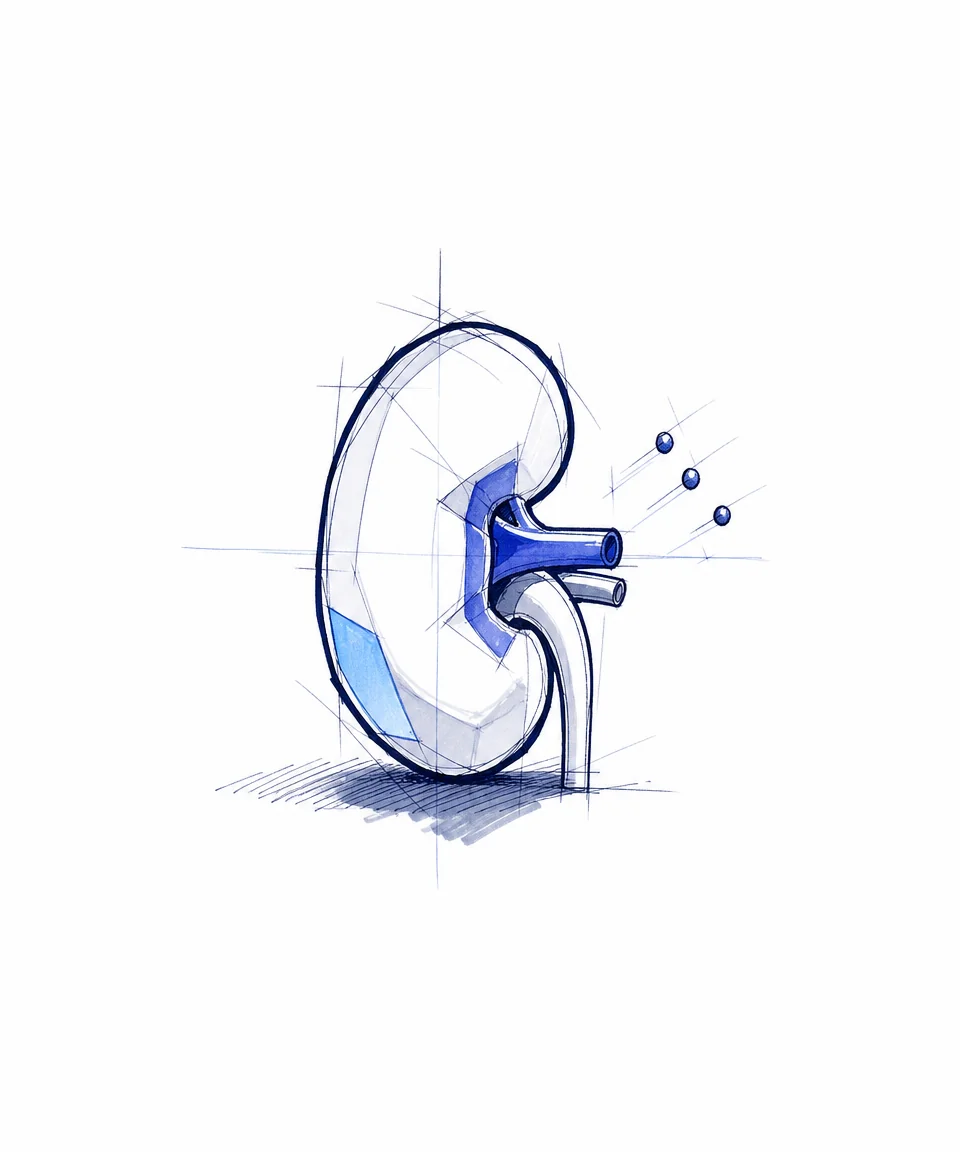
Polycystic Kidney Disease (PKD) comprises a group of inherited disorders that lead to multiple fluid-filled renal cysts. The most common form, autosomal dominant PKD (ADPKD), affects 1 in 1000 people, and accounts for 10% of end-stage renal disease, which often necessitates long term treatment, dialysis and/or kidney transplantation.
The standard treatment for early stages of PKD is usually symptomatic. Approximately 50% of ADPKD patients require dialysis treatment before the age of 60 , which is associated with reduced life expectancy. While a recently approved vasopressin antagonist has been shown to reduce cyst growth, dialysis and kidney transplantation are still required in advanced stages of PKD. Therefore, therapeutic options for delaying or preventing dialysis and targeting the advanced stages of PKD, are urgently needed.
The Ca2+-regulated chloride ion channel TMEM16A is central to ADPKD. Inhibition of TMEM16A by inhibitors such as the FDA-approved and well-tolerated drugs niclosamide and benzbromarone largely suppress cyst development, as demonstrated in preclinical studies in-vivo. A large number of patients would be likely to benefit from this novel therapeutic concept for the treatment of ADPKD. It could strongly reduce the costs for public health care and lower the patient’s burden caused by invasive medical treatments.
Platform and Technologies
New linker for affinity resins boosts binding capacity
Patented linker opens up hidden binding sites
Technical University of Munich
Protein A chromatography is an essential step in most commercial antibody/mAb purification processes. It is immobilized on chromatography resins to specifically capture and thus purify antibodies. The actual binding capacity is usually much lower than the theoretical one, due to steric constraints. To remediate this problem, our researchers have developed a new rigid protein linker that ensures ideal accessibility of binding surfaces and thus boosts binding capacity and yields of affinity resins.
Affinity chromatography is industrially relevant. E.g. protein A resins are commonly used commercial antibody purifications. This step often becomes a bottleneck for manufacturing due to generally low binding capacities. One underestimated factor affecting binding capacity is that many binding sites of the immobilized Protein A ligand are not accessible to the relatively large antibodies. Since Protein A resin is expensive, increasing its binding capacity can directly lower antibody/mAb productions costs.
Our team of inventors from the Technical University of Munich have developed a new, rigid protein linker for affinity resins. It serves to ideally space out binding surfaces, which drastically increases e.g. antibody capture in antibody downstream processing. So far, a more than 50% increase in antibody capture per molar amount of Protein A could be achieved, as compared to a standard flexible linker. This directly translates into faster and cheaper industrial downstream processing. Our technology can easily be combined with other capacity-optimizing strategies such as domain multiplication or affinity-increasing point mutations.
Mechanical Engineering
Device for fast parallelized additive manufacturing
New Method for a faster and more versatile FFF printing process
Technical University of Munich
Additive manufacturing ist fast becoming one of the most important manufacturing techniques. While ideal for prototyping, it is now also being used for the serial production of e.g. automotive and aerospace parts and of consumer goods such as shoes etc. Printers have become cheaper and more accurate, printing materials more varied, and competence and knowledge much greater. However, compared to older techniques like injection moulding, additive manufacturing ist still painstakingly slow, preventing a broader use in serial production.
In additive manufacturing, e.g. in Fused Filament Fabrication (FFF), the build-up of the manufactured object is often slow, because each layer has to be completed before the next can be started. Since additive manufacturing is now no longer used for mainly prototyping, but also for serial productions, saving time during the manufacturing process is crucial in order to reduce production costs. Individual printing units are limited in their potential to speed up.
The invention describes a Fused Filament Fabrication (FFF) manufacturing device for the layered production of objects. Its main feature is the multiple number of printing units (extruders), each with a separate transfer plate. The printing unit extrudes at least one layer onto a transfer plate, which then moves into position. The build plate, which is rotated 180 degrees relative to the transfer plate, then moves into position over the transfer plate. Afterwards the build plate takes over the layer from the transfer plate by means of controlled pressure and temperature in order to produce the object.
Medical Technology
Apnea Treat- a minimally invasive implant for Sleep apnea therapy
The tissue anchor is inserted minimally invasively using an implantation system
Technical University of Applied Sciences Regensburg
Obstructive sleep apnea (OSA) is affecting 425 Mio people worldwide and is characterized by recurrent breathing pauses caused by a reduction in muscle tone in the soft tissue in the upper airways , e.g. when a patient’s tongue collapses on the back of the throat. These pauses can last for minutes, which can lead to a drop in the oxygen concentration in the blood and ultimately to an insufficient supply to the organs.
In addition to changes in sleeping habits, severe OSA ist currently treated with continuous positive airway pressure (CPAP) therapy. However, this method relies heavily on patient compliance and around 26% of patients discontinue the CPAP treatment within the first 3 months. An alternative, a surgical insertion of neurostimulating implants („tongue pacemakers”) is a demanding procedure, batteries have to be changed and the technology is often not compatible with magnetic resonance imaging.
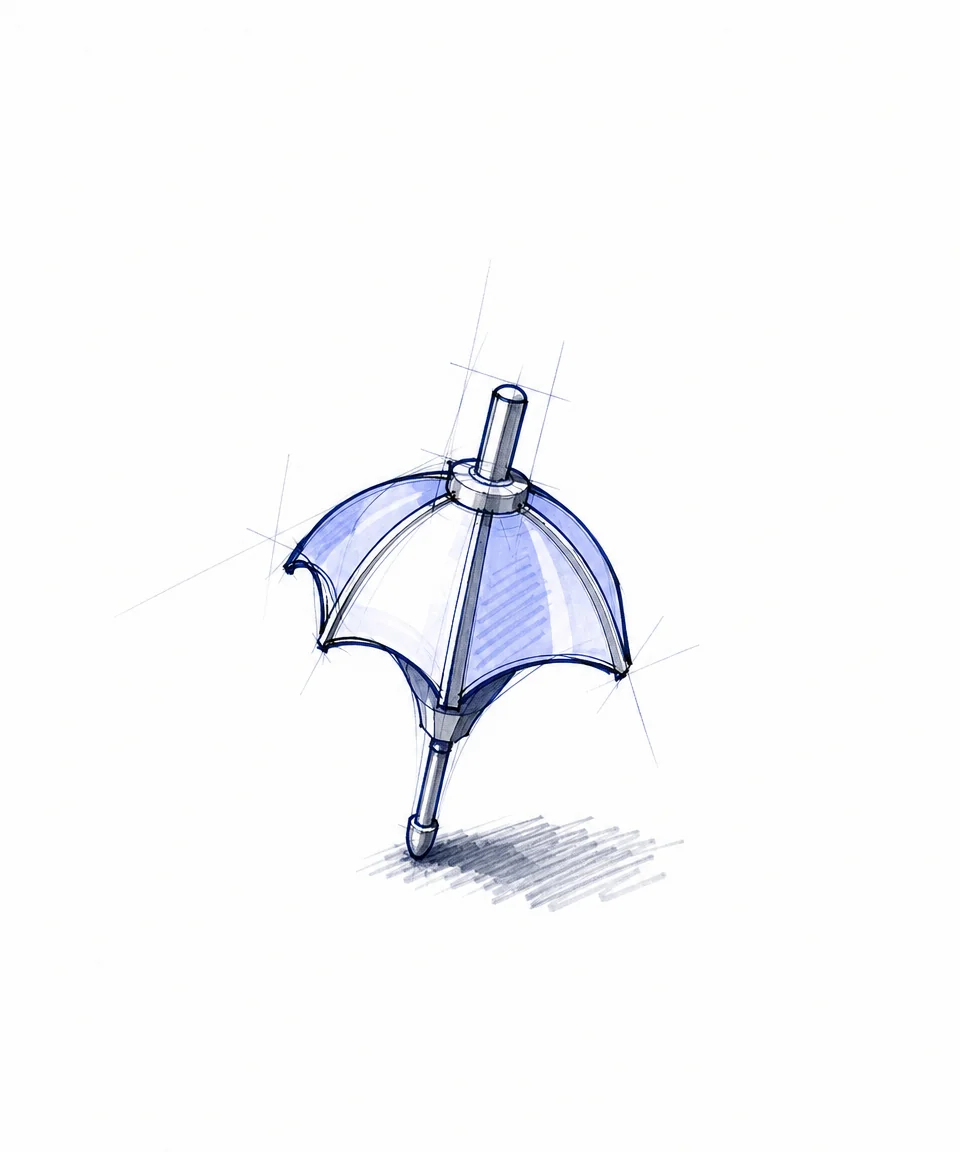
The invention describes an implant for the treatment of OSA which stabilizes the tongue during sleep, thereby preventing obstruction of the airways. The tissue anchor is inserted during a 30-minute minimally invasive procedure and anchored in the tongue tissue via a balloon catheter. The distal anchor element may have an umbrella-like structure, which radially expands around a pivot to assume the deployed configuration. The implant allows for normal tongue movement, but prevents a collapse of the airway. The patient can activate the implant via tongue movements that do not occur in everyday life.
Materials
Fire-resistant wood by impregnation with cement
A carrier liquid enables cement to penetrate wood
Rosenheim Technical University of Applied Sciences
Improving fire resistance is a topical issue, particularly in the construction of multi-storey timber buildings. In weathered outdoor conditions flame retardants require a secure fixation in the wood. This invention improves the fire resistance of beech veneer wood in combination with wash-out resistance by cement impregantion. The process uses a carrier liquid that allows cement to be applied to wooden structures for fire protection.
The impregnation of wood with cement-based fire retardants has shown inconsistent results, highlighting the need for process optimisation. Variations in effectiveness and significant deviations in mass change affect fire tests, particularly in the fire chamber and fire shaft. Thicker components can perform better and achieve B1 fire classification. The challenge is to optimise process parameters to minimise variability and achieve consistent, improved fire resistance. Further investigation were essential to clarify these factors and validate potential improvements.
The Portland cement in the wood contains bound water which is released when the wood is heated, drawing heat from the flames. The hydration creates a strong anchor that increases resistance to leaching. Aluminum-hydroxide releases water when heated, while calcium oxalate monohydrate decomposes in an endothermic process, releasing water, carbon dioxide and carbon monoxide. The process with carrier liquid and subsequent storage in water allows the use of flame retardants that were previously unsuitable.
Materials
Multi-Matrix Fiber Composite Manu-facturing Process
Realizing complex multi-matrix geometries with magnets
Deggendorf Institute of Technology
Fiber composites consist of high-tensile-strength fibers (e.g. carbon fiber) structurally embedded in a continuous-phase so-called matrix (e.g. epoxy). To produce a single connected object whose sections have different properties, such as flexible joints connecting stiff portions of a foldable device, different matrix materials must be combined. This invention provides a simple, highly flexible process for creating multi-matrix materials with custom geometries.
In order to create a multi-matrix fiber composite with well-defined borders between the sections of different matrix materials, areas of the fiber sheet not to be soaked with the first matrix precursor material must be sufficiently compressed while it is applied. At the same time, all areas that are to be soaked must be reachable by the application tool. If the compression force is applied e.g. by clamps or a hydraulics, these requirements can be difficult to align, especially for more complex multi-matrix geometries.
According to the invention, sheets of strongly magnetic material are custom-cut and placed on the fiber fabric to cover the areas not to be soaked with the first matrix precursor. By using magnets to apply the necessary compression force, no machinery has to remain in place above the fiber fabric while the matrix precursor material is applied, thus ensuring that all required areas of the fabric remain accessible. Moreover, with computer numerical control and suitable automation tools (water jet cutting, industrial robots), the same production line can be used for different products without any manual re-adjustment.
Therapeutics
Multifunctional Anti-Amyloid Peptides
Nanomolar inhibitors with drug-like properties
Technical University of Munich
Aberrant amyloid self-assembly and cytotoxicity of Aß and a-Synuclein are linked to the pathogenesis of more than 50 cell-and neurodegenerative diseases including Alzheimer's (AD), Parkinson’s disease (PD) and type 2 diabetes (T2D), the latter being epidemiologically linked to both AD and PD. For this reason, there is an urgent need to develop molecules that suppress both amyloid self-assembly and cross-seeding interactions of above peptides can be promising leads for therapeutics in AD, PD and T2D.
AD-and PD-related neurodegeneration in the brain are linked to the self-assembly of Aß and a-Synuclein while T2D-related pancreatic beta-cell degeneration is linked with amyloid self-assembly of IAPP. Cross-seeding interactions between different amyloid polypeptides/proteins have emerged as possible molecular links between various different cell-/neurodegenerative diseases. Molecules that suppress both amyloid self-assembly and cross-seeding are urgently needed, however.
The results suggest that the anti-amyloid function of MCIP 2 b and 2 e is mediated via interactions with αSyn via three αSyn segments identified as key sites of both αSyn self- and its cross-interactions with IAPP. MCIP 2b and 2 e are also able to block Aβ42-mediated cross-seeding of αSyn. Based on their broad spectrum amyloid inhibitor activity and additional drug-like properties, MCIPs are promising leads for multifunctional anti-amyloid drugs in PD, T2D, AD, and their comorbidities. The identified key αSyn segments shall serve as valuable targets for the design of novel, multi-site targeting molecules as effective anti-amyloids in PD and related synucleinopathies.
Therapeutics
The link between cardiac disease and sleepless nights
Inflammation at the SCG as the underlying cause
Technical University of Munich
Cardiac disease is often accompanied by a disruption of the physiologic sleep-wake cycle with a yet unknown mechanism. These disruptions of sleep-wake rhythmicity contribute considerably to the overall disease burden. The sleep-wake cycle is tightly controlled by the daytime-dependent diurnal secretion of melatonin whose secretion in turn is tightly controlled by sympathetic neurons which project from the superior cervical ganglia (SCG).
One third of heart disease patients suffer from sleep problems and have low melatonin levels. Its synthesis occurs in the pineal gland and is, together with its secretion, controlled by sympathetic neurons that project from the SCG. The mechanism underlying the altered sleep-wake cycle in cardiac disease has remained elusive and there is no consensus as to the treatment. Interestingly, the SCG harbors heart-innervating neurons in addition to pineal gland-innervating neurons but its role has not been addressed yet.
The data presented here revealed severe and likely irreversible immune-mediated destruction of sympathetic axons in pineal glands from humans and mice with cardiac disease . Spatial, single-cell, nuclear, and bulk RNA sequencing traced this defect back to the SCG, which responds to cardiac disease with accumulation of inflammatory macrophages, fibrosis, and selective loss of pineal gland–innervating neurons. Macrophage depletion in the SCG prevented disease-associated denervation of the pineal gland and restored physiological melatonin secretion identifying the mechanism by which diurnal rhythmicity in cardiac disease is disturbed and suggesting a target for therapeutic intervention.
Green Tech
Hydrophobic and durable mortar
Advanced biofilm-enriched formulation
Technical University of Munich
Advanced materials for construction and restoration must prove to be both sustainable and durable. Researchers from Technical University of Munich (TUM) have developed a biofilm-enriched mortar with hydrophobic properties. This hybrid material can be supplemented with cement substitutes (SCMs) and also proves to be highly resistant to chemical attack and thermal stress - especially to the freeze-thaw cycles that regularly occur in Central Europe and are a major cause of damage.
The durability of cement-based materials such as mortar and concrete typically suffers from water penetration, resulting in corrosion of steel structures embedded inside the material and therefore to damage and weakness of the building structure. Several techniques and approaches have been developed to minimize the ingress of water in an attempt to increase the lifetime ans thus lower the environmantal impact of cementious structures.
Here a mortar hybrid material is presented where a bacterial biofilm is supplemented, increasing the hydrophobic properties. Bacterial biofilms are ubiquitous communities of bacteria encased in a matrix of self-produced biopolymers. In such a biofilm matrix, the bacteria are able to resist various environmental challenges, e.g., chemicals, desiccation, or removal from surfaces. By adding defined dosages of cement substitutes (SCMs), the mechanical strength of the mortar material can be significantly improved without losing the hydrophobic effect of the biofilm. Furthermore the formulation is highly resistant to sulphate attack.
Platform and Technologies
Cytosolic RNA de-pletion by polymeric nanoparticles
Polymer nanoparticle sponges for depleting cytosolic RNA to fight systemic diseases such as cancer
Technical University of Munich
MicroRNAs (miRNAs) are small, double-stranded RNAs that exert fine-tuned, sequence-specific regulation of the cellular transcriptome. While a single miRNA regulates hundreds of mRNAs, each mRNA molecule is commonly regulated by only a few miRNAs that bind to complementary sequences at 3'-untranslated regions to trigger the mechanism of RNA interference. Unfortunately, dysregulated miRNAs play a critical role in many diseases.
A challenge for miRNA therapeutics is to maintain the stability and consistency of miRNAs in circulation. Naked miRNAs are degraded by nucleases within seconds or are rapidly removed by renal excretion. Thus, suitable delivery systems are needed that stabilise the antisense DNA, allow efficient uptake by the cells, while avoiding off-targets. They should also be adjustable so they can deplete any target RNA.
The invention describes nanoparticles (NP) composed of biopolymer-DNA conjugates that have the ability to bind and inactivate cytosolic miRNA in cells. Two types of NPs are described: (1) 'sponge' NPs, which bind miRNA in a condensed state, as the binding sites are exposed and (2) transient NPs, which open in the cell after initial contact with the miRNA and can bind further miRNAs. The transient NP can act as a targeted drug delivery system, releasing a drug only upon contact with a specific trigger DNA sequence. The design of the DNA sequences that stabilise the NPs can be freely adapted to any cytosolic RNA target. It was shown that these NPs were successfully taken up, were able to escape from endo-somes and were effective in silencing miRNA.
Electrical Engineering and Energy
Cold Plate With Improved Cooling Fluid Distribution
Stronger and more uniform cooling than standard designs
University of the Bundeswehr Munich
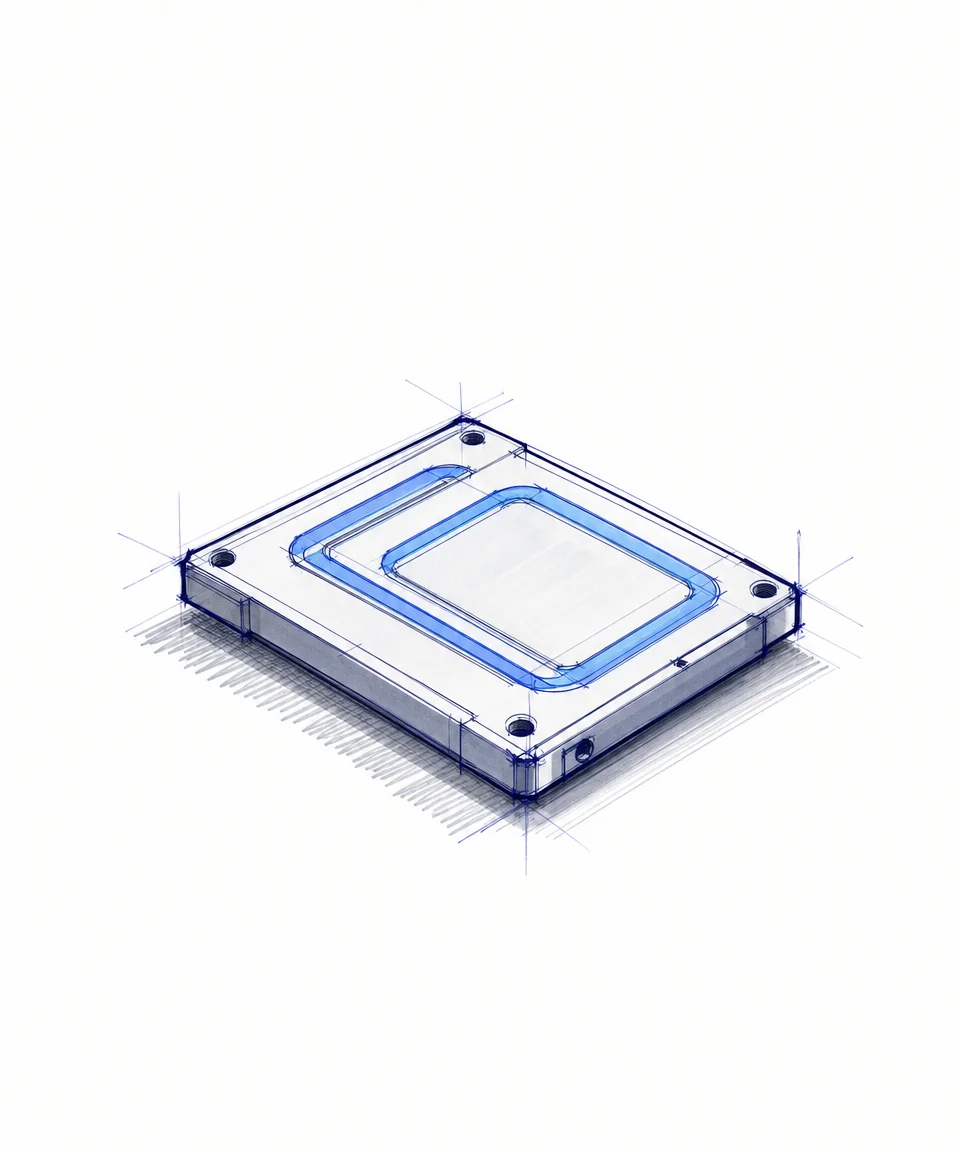
Ever more powerful power electronics, as required e.g. for electromobility or the harvesting of renewable energies, require ever stronger cooling solutions. This invention provides a novel cold-plate design which improves the distribution of the cooling fluid inside the cold plate so as to provide a stronger and more spatially uniform cooling effect across the surface of the cold plate.
To function efficiently, cold plates must fulfill several potentially mutually counteracting requirements: The flow rate of the cooling fluid must be high enough to provide sufficient heat capacity overall and the mixing strong enough for the heat to be absorbed through-out the fluid instead of only in segments close to the cold plate's inner surfaces. Ideally, the cooling effect should also be uniform across the plate and the pressure drop should not be too large, in order not to overstrain the driving pump.
The present invention unites these requirements by means of a targeted design featuring two different types of alternating flow channels. Along the channels, there are several connections by means of which cooling fluid is directed from each second channel to the adjacent channels of the other type (see schematic on the left). Moreover, the channels directing the cooling fluid to their neighbors also taper towards the end. This ensures a far stronger mixing of cooling fluid than parallel straight channels, at a significantly smaller pressure drop than designs fitted with pins or NACA profiles.
Diagnostics
A Biomarker for Post-COVID Syndrome
Identification of PCS-specific SARS-CoV-2 S-protein epitopes
University of Regensburg
Post-COVID Syndrome (PCS), also known as „Long-COVID“, refers to various symptoms that persist for at least three months after SARS-CoV-2 infection. Approximately 65 million people worldwide suffer from PCS. Patients with PCS experience fatigue, cognitive impairment, dyspnea and other persistent symptoms. Although the list of possible mechanisms underlying PCS is growing, there is still no biomarker or validated test to diagnose PCS.
The exact causes of PCS are unknown. It is thought that in addition to viral persistence, there may be autoantibodies, hypercoagulability, reactivation of other viruses such as EBV, and immunological dysfunction of pathophysiological relevance. Moreover, PCS affects many processes in the body, and is thought to be a multi-symptom complex disease, making it difficult to accurately diagnose PCS. An effective diagnostic test would be a crucial step to fight PCS.
Precise epitope mapping revealed specific antibody binding patterns in PCS patients compared to matched convalescent, naïve and vaccinated controls. Although, numerous variants of concern (VOC) occurred, epitope recognition is not impaired. The identified PCS-specific epitopes are expected to function individually or in combination as biomarkers for PCS and could thus be used as part of a test system for the molecular biological diagnosis of PCS. In addition, these PCS-specific peptides offer the potential to be used in a therapeutic approach.
Medical Technology
BICEP: A Bio-Inspired Compliant Elbow Prosthesis
Active Flexion-Extension and Shock Absorption in the Sagittal and Transversal plane
Technical University of Munich
Compensating for the loss of upper extremities is still a technological and clinical challenge, especially for subjects with high-level amputation. Traditional prostheses often lack natural movement and can lead to complications like instability and limited range of motion. Compliant prostheses aim to mimic the natural biomechanics of the elbow joint offering improved function, durability and patient satisfaction.Researchers from Technical University of Munich (TUM) have developed a compliant elbow prosthesis that offers significant advantages for the user.
Commercially available elbow prostheses consist of a single rigid DoF rotational joint. These commercial systems can cover the physiologic range of motion (RoM), but their rigid and simplified design ends up strongly decreasing usability and robustness. In addition, these systems often adopt conventional rigid sockets to interface with the user, which often limits shoulder movements in the residual limb, e.g. external rotation.
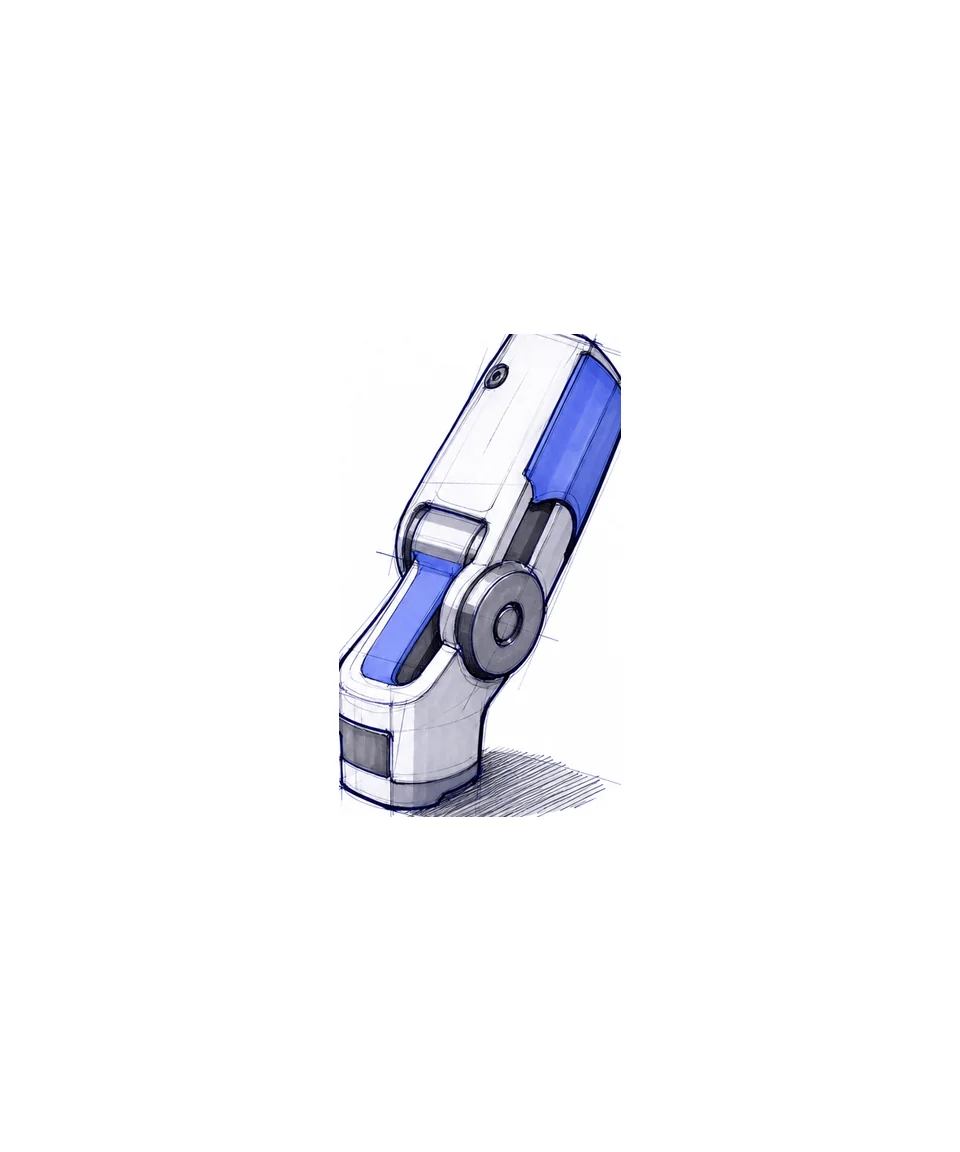
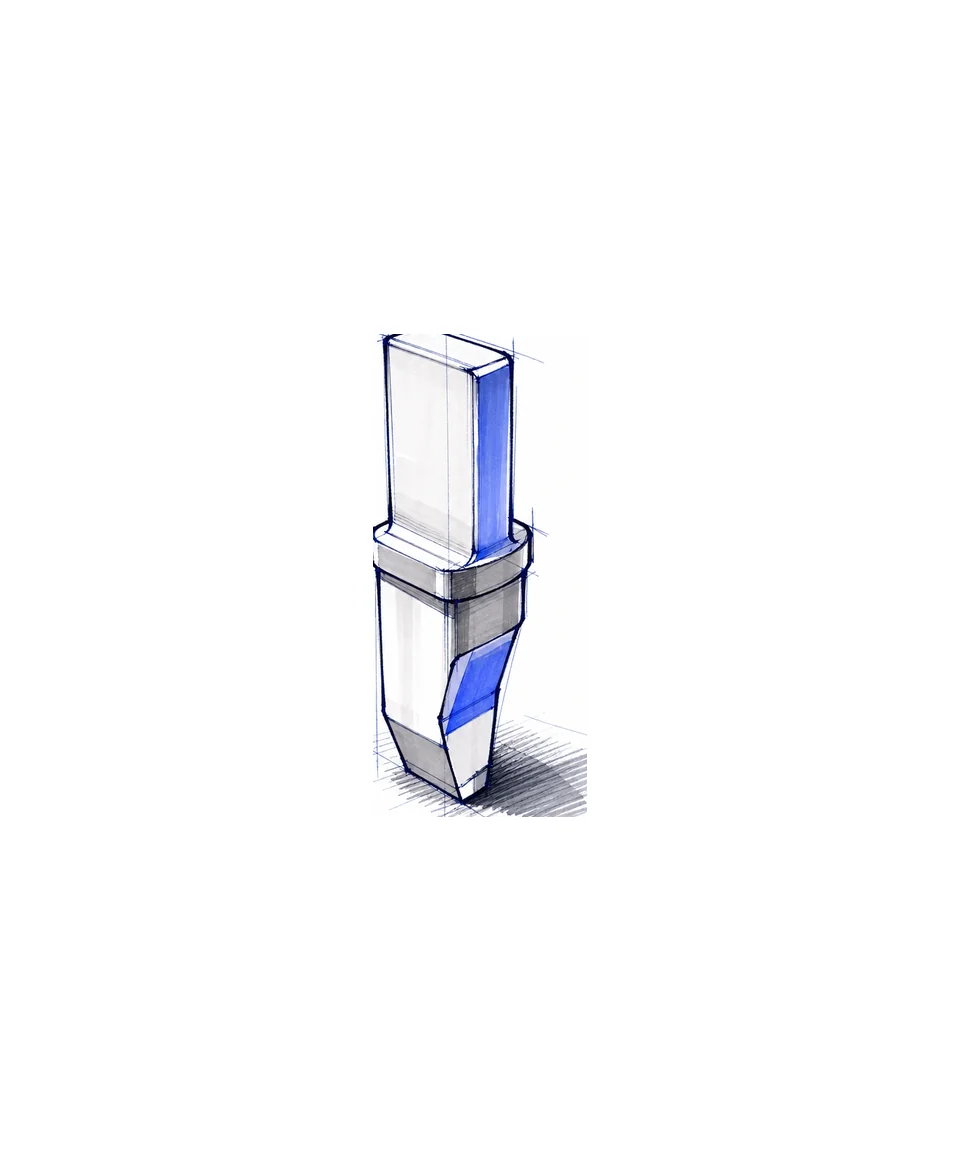
The actuation architecture of BICEP is inspired by the biological elbow joint structure and consists of 2 rigid prosthesis parts (corresponding to the upper and lower arm), which are connected by crossed flexible ligaments (Dyneema wires) intended to imitate the tendons. One replicates the bicep tendon and is used for flexion movements, while the extension movements are actuated by a tendon which replicates the tricep tendon. The two tendons system act as an agonist-antagonist mechanism, controlled by a motor which is widely used in robotic joint actuations.
Electrical Engineering and Energy
Piezoelectric EMI Filter
Selectively target disturbance peaks with piezoelectric resonance
Friedrich-Alexander-University Erlangen-Nürnberg
Switched-mode power supplies are ubiquitously used to power or charge low-voltage devices such as computers and smartphones. However, their high-frequency switching also creates electro-magnetic interference (EMI) that may disturb other components or devices if released back into the electric grid. As a result, EMI filtering components must be added to the power supply, noticeably increasing its overall size. By specifically targeting the most critical disturbance peaks, this invention enables a significant reduction in size, weight and cost of unavoidable EMI filters.
Due to the potential negative effects of EMI on neighboring components or devices, manufacturers have legal responsibilities to fulfil strict EMI standards, such as the CISPR 22 standard. This is typically addressed by means of filters consisting of capacitors and chokes. These cannot selectively target specific disturbance peaks and are rather ineffective at low frequencies. Thus, conventional EMI filters lead to a considerable increase in the cost and size of an electric device.
As EMI typically arises at higher harmonics of the switching frequency of an electric device, its frequency composition is largely predictable. The geometry of the PISC, and thereby its resonance frequency, can thus be tuned to fit a desired disturbance peak. By specific design, several peaks can even be resonantly attenuated by the same element or group of elements. Thereby, the PISC will typically be smaller than the regular capacitor it replaces. Moreover, the choke used to reduce residual high-frequency EMI not sufficiently addressed by the PISC to below the CISPR 22 boundary can also be smaller than for a regular capacitor.
Therapeutics
Peptide agent against multi-resistant bacteria
Strong anti-inflammatory effect, potentially beneficial in sepsis
University of Regensburg
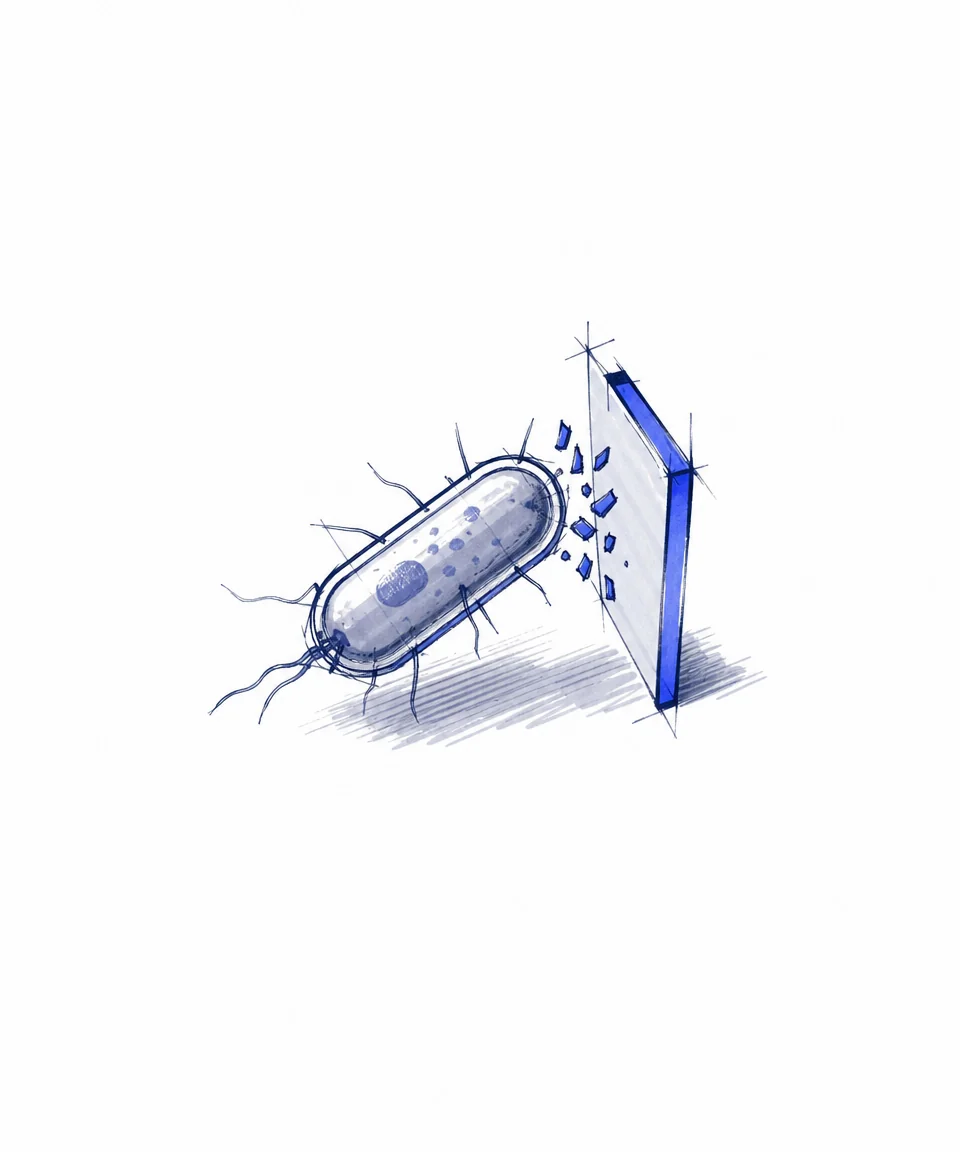
Researchers from the University of Regensburg have developed a peptide with strong antimicrobial activity against carbapanem resistant gram-negative bacteria, which are responsible for a large number of deaths annually. The antimicrobial peptide kills bacteria within hours, also destroying non-replicating bacteria. The peptide strongly reduces inflammation and is therefore especially suitable to improve outcome in septic patients.
Antimicrobial resistance (AMR) is globally rising over the last decades, partly due to over- or misuse of antibiotics. In 2019, over 3 million deaths were associated with AMR globally. Thereby, the Gram-negative bacteria Escherichia coli, Pseudomonas aeruginosa and Acinetobacter baumannii were within the top six pathogens causing death. Around 8% of patients infected with the aforementioned, resistant pathogens will not survive.
The new peptide-based antimicrobial agent based on an optimized form of the scorpion fish protein BPI (scoBPI) shows very high anti-inflammatory potency towards the endotoxic activity of lipopolysaccharides and a bactericidal activity at nanomolar concentrations against carbapenem-resistant P. aeruginosa, E. coli and A. baumannii. Since the activity of the optimized scoBPI is mediated via membrane perturbation, common resistance mechanisms mediated by e.g. porin loss, efflux pumps and antibiotic-binding or -deactivating proteins do not affect the activity of the antimicrobial peptide.
Computing
Sensor-Independent Autonomous Mobility
Train with one set of sensors and use with different ones
University of Applied Sciences Aschaffenburg
Autonomous vehicles navigate by interpreting data continuously recorded by sensors such as cameras and LiDAR – employing a perception algorithm previously trained on similar data. This invention makes the perception algorithm less dependent on the specific sensors providing the data during training and when navigating in the field – thereby contributing to reduced development costs and a simpler, faster and more flexible implementation of new sensor models.
Sensor characteristics like the resolution and field of view affect the resulting pixel-by-pixel representation of a given object like a car or a pedestrian. Thus, a neural network trained to distinguish these features in the images from a specific camera will often not perform as well on images from a different one. When implementing a new sensor, training must therefore start from scratch with images from that sensor, which in turn also implies the costly real-world recording and annotation of these images.
The invention defines a deflection metric whereby every pixel of an image is assigned an angle with respect to the axis of projection (see image on the left). Geometric properties of the sensor such as its field of view and nonlinear distortion are thereby encoded into the image in the form of an additional channel and taken into account by a neural network trained on images from sensors with differing properties. This in turn improves performance on images from any sensors with geometric properties within the ranges of the training set. Moreover, ambiguity in scale and distortion of objects recorded by any given sensor are also resolved.
Mechanical Engineering
"BioSpalt" bionically inspired cleaning of technical gaps
Limiting the intrusion of particals into technical gaps
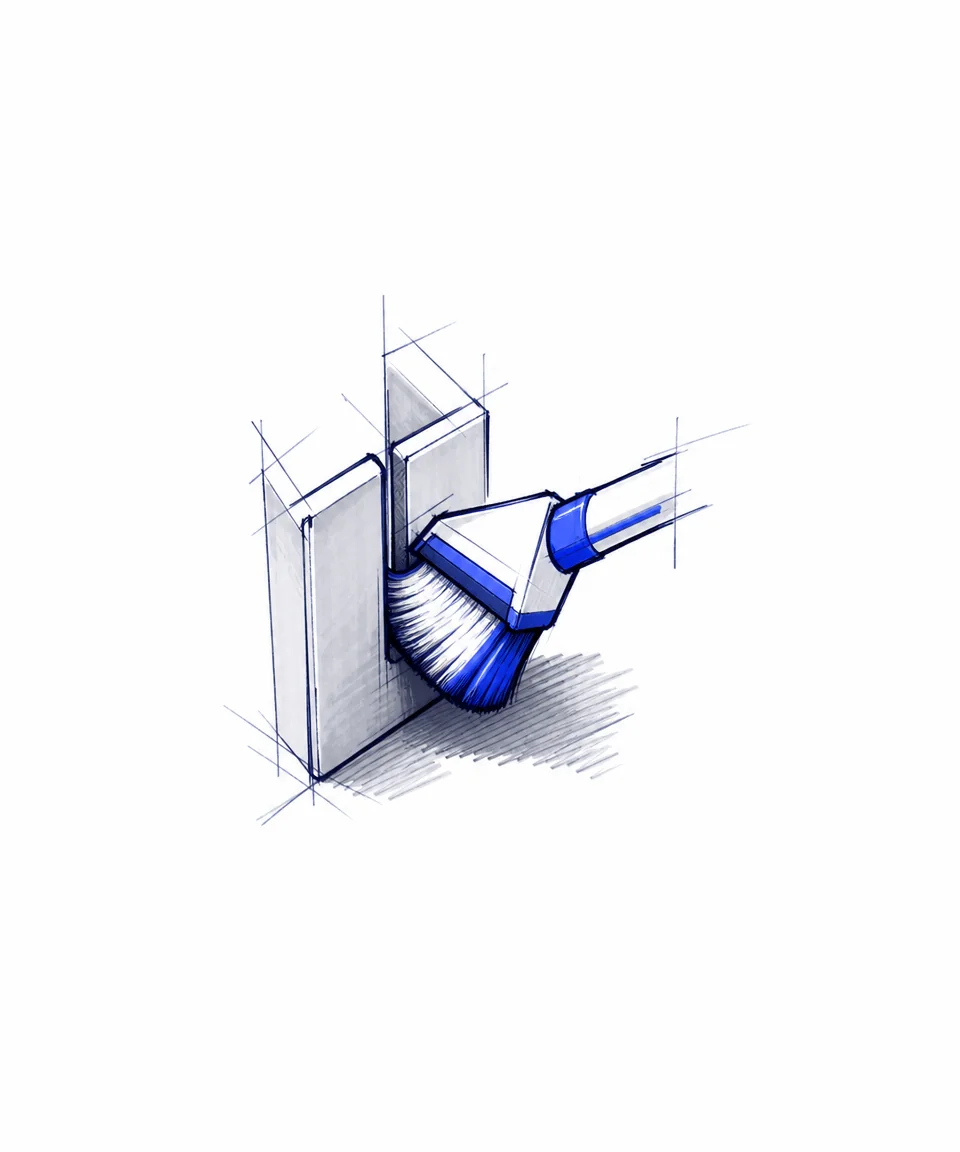
Keeping technical gaps clean is an inadequately solved but common problem and of special imprtance, e.g. for keeping clean the joints of robot arms or joints in prosthetics, sealing the tubes of zoom lenses or door gaps against dust, ... Known sealing lips and brushes have a dirt-spreading, abrasive effect. The presented brush sealing is bionically inspired. Thanks to a coordinated surface structuring on the one hand and a special brush geometry on the other, particles are effectively transported out of the gap. The cleaning effect exceeds those of conventional gap brushes.
With technical sealings it's not possible to completely prevent dust intruding into technical gaps. This is especially true for gaps between two parts of a device, oscillation relatively to each other. Moreover, once intruded into the gap, it is very unlikely that dirt will be removed again. This is because particle transport with conventional sealings has no preferred direction. Instead, dirt is only moved back and forth with the periodic movement of the device.
Inspired by the hump beatle, the invention presents an optimized structuring of one of the two surfaces moving against each other and an advantageous brush geometry for the opposite surface. Flat inclined planes of the structured surface enable particles to be transported with little effort into one direction. The steep edge on the other side allows the particles to be wiped off and prevents them from being transported back. This reults in a "net" particle movement along a preferred direction and out of the gap between the device's periodically moving parts.
Mechanical Engineering
Shear cutting: inline measurement of wear and cut quality
Inline process monitoring by the tool itself
Technical University of Munich
During shear cutting of sheet metal materials, inline monitoring of the tool as well as of the cut surface parameters and component quality is currently not possible. Based on the Seebeck effect this invention enables dynamic monitoring of the manufacturing process for the first time. In addition to being used in new stamping dies, the system can also be integrated into existing dies. This avoids rejected parts and extends maintenance intervals.
The design conditions in shear cutting tools make the implementation of sensors very difficult. The reasons are the limited space as well as the high surface pressure. Lubricants and contaminants increase the problem. Sudden tool damage and changes in the cutting edge geometry can only be detected in retrospect. This often leads to a large number of rejected parts. Maintenance intervals are defined based on experience before the actual wear limit. This directly reduces process profitability.
The solution was to create a sensor that can be used despite the conditions in the shearing tool without impacting its performance. Based on the thermoelectric Seebeck effect, which leads to the generation of voltage in vasrious sheet metal processings, it is possible to use the tool itself as a sensor. This allows instantaneous detection of stochastically occurring tool damage, as well as determination of the wear condition of the active elements independent of the wear mechanism that is occurring. The system enables the exact cuttingsurface shape determination inline at any stroke rate and for any tool.
Optics and Imaging
Light-Driven Microdrones
Potential applications from life sciences to nanotechnology
Julius-Maximilian-University Würzburg
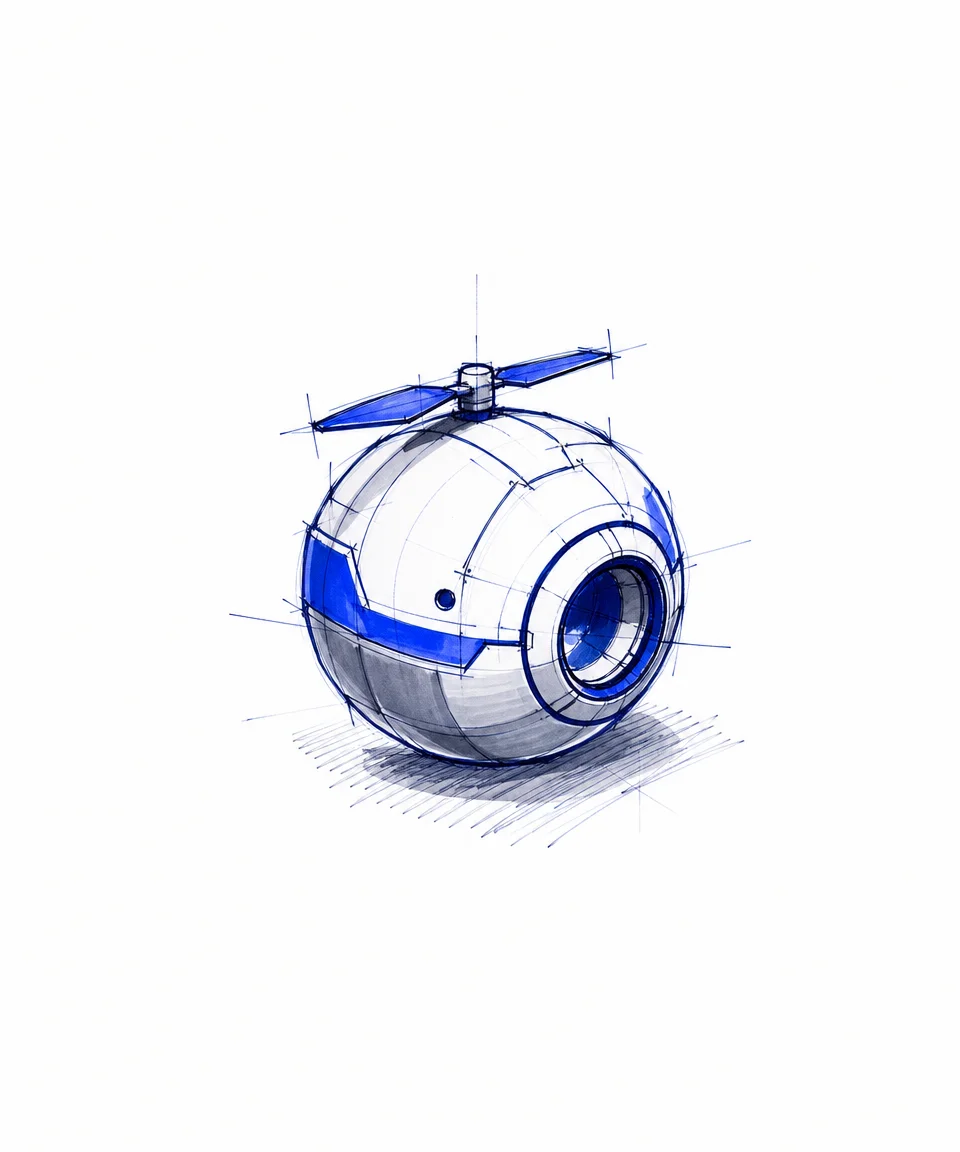
Powered simply and yet precisely by unfocused light, the microdrones move freely in solution – forward, backward, sideways and by rotating around their own axis, just like their macroscopic quadcopter cousins do in the air. This opens up an entirely new approach to the highly targeted manipulation of micro- and nanoscale objects under a microscope – such as transporting molecular and chemical cargos and accessing isolated biological cells from any angle.
Thanks to optical tweezers, minuscule objects like biological cells and their internal components can already be precisely studied and manipulated. Yet, even this remarkable tool has its limitations. For example, it is hard to change the orientation of a trapped object and thus to access it from several sides, or to make several small objects interact in a targeted manner. As for micromanipulators, these are e.g. limited by their angle of attack and the mechanical connection to the machinery driving them.
Each microdrone consists of a stiff sheet a few micrometers in diameter. On it are several nanoantennas that each absorb light of a specific wavelength and polarization and re-emit it in a defined direction, thereby pushing the drone itself in the opposite direction. Constructing each antenna to react to a different kind of light, they can thus be individually controlled, simply by varying the intensity of the light sources used to illuminate the drones. Akin to the individual control of the rotors of macroscopic quadcopter drones, this is used to move and rotate the microdrones in any direction.
Mechanical Engineering
Laser pulse distance measurement in real time (> 100MHz)
Moving or vibrating workpieces can be precisely processed
University of Bayreuth
This invention is based on optics and analog electronics. The process achieves real-time process control with extraordinary measurement rates up to over 100 MHz. It is based on spectral interferometry and compares the differences in path lengths in reference and sample paths. The Dispersive Fourier Transform processes the analog signals at unmatched speed. The electrical measurement signal can be directly fed back to change the processing exposure between successive laser shots. The robust technology is based on standardized low cost components.
Fast and precise control of processing depths between the laser head and the workpiece limits the process speed of a variety of potential micro-laser processing operations for ablation, cutting or tructuring. This reduces efficiency. Current measurement methods, based on white-light interferometry or optical coherence tomography, achieve scan rates in the hertz up to kilohertz range - characteristically after machining has been completed or in time-average.
To accurately modulate or interrupt exposure, many applications require a shot-to-shot monitoring in real time. Wherever irregular inhomogeneous materials (e.g., organic structures or fiber-reinforced components) are processed with high precision, compromises between accuracy and operating speed limit process efficiency. Particularly high demands arise especially in medical eye treatment and skin ablation, but also in battery or solar cell production, where electrical insulation must be ablated in a defined manner.
Mechanical Engineering
Primary sensor for magnetostrictive force measurement
Robust, low cost, highly integrable into load bearing structures!
Technical University of Applied Sciences Würzburg-Schweinfurt
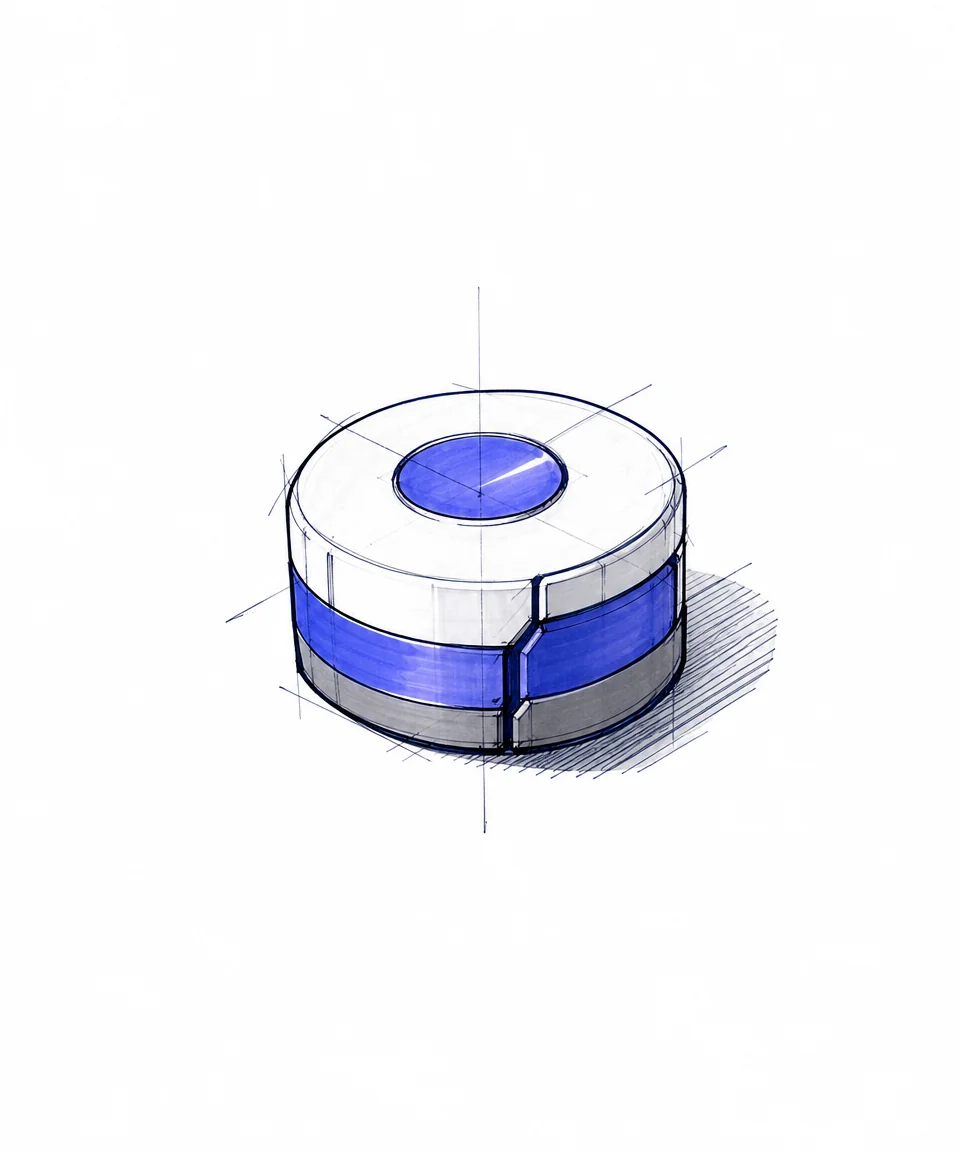
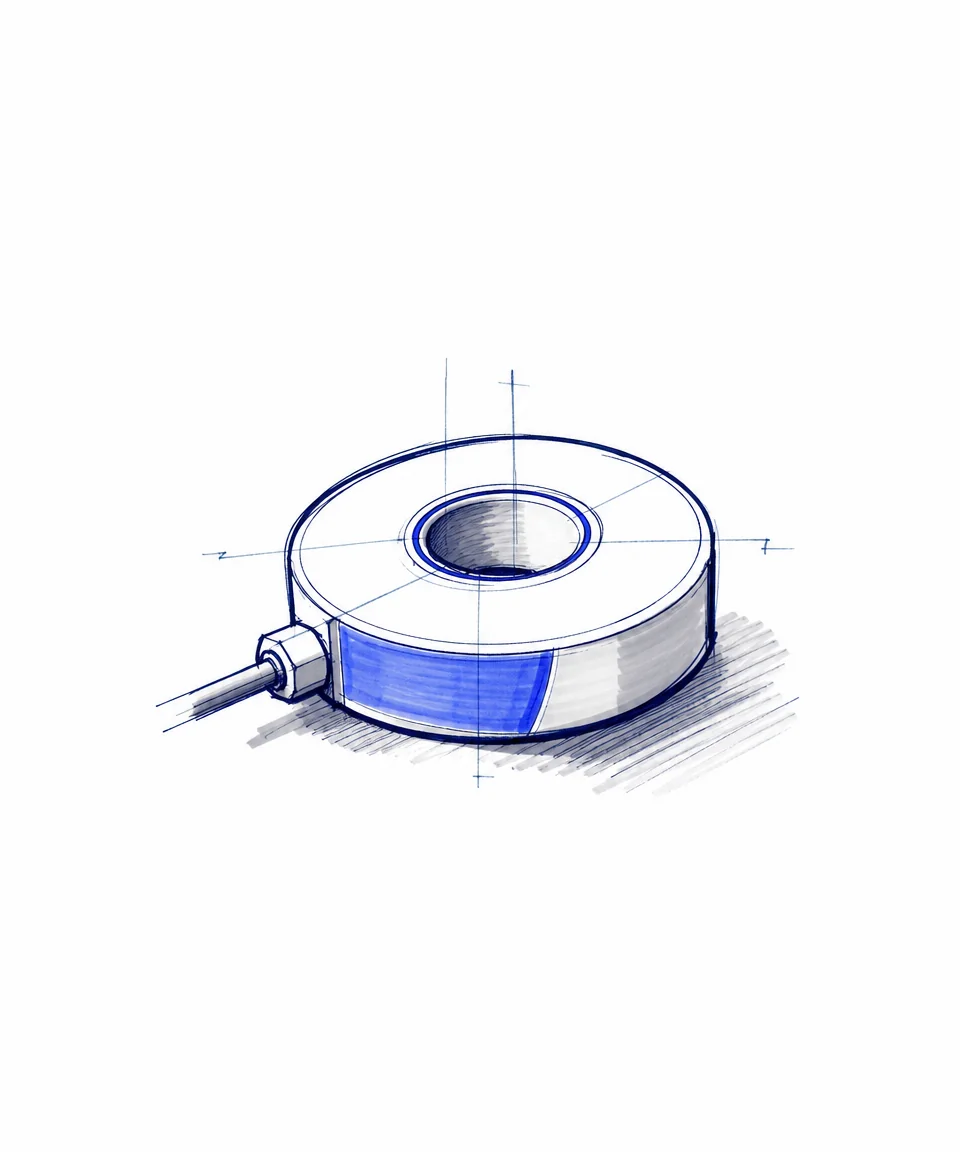
The technology enables to build a cheap and robust new sensor for magnetostrictive force measurement. A special feature of the presented sensor concept is the ability to divide the sensor into two functional components - an inexpensive disc-shaped primary sensor (core of the presented invention) and a more complex but market available secondary sensor (e.g. Hall probes).
Force and torque measurements are indispensable in many areas of technology. The commonly used strain gauges work very well in the laboratory, but are often lacking robustness and are costly. The widely used alternative, piezoelectric force sensors, can inherently only measure dynamic changes in force application. Furthermore, they are not integrated into the loaded structure, but are mounted outside of it, which results in disadvantages in the design of a machine.
Beyond load detection or determination of process forces, the new primary sensor is particularly suitable for direct preload adjustment in the assembly of adjusted bearing arrangements, e.g. for tractor or truck axles, for rear axle diferential sprocket bearing adjustment in cars or similar applications. In contrast to the inovative direct preload adjustment in the bearing assembly, state of the art methods are indirect methods. The preload of bearings is estimated by measuring, e.g. drag torque or bias displacement.
Diagnostics
Novel clinical biomarker for hepatic steatosis
Soluble CD46 in plasma as a predictor of hepatic steatosis
University of Regensburg
The worldwide rise of obesity and metabolic syndrome has led to an increasing prevalence of nonalcoholic fatty liver disease. A subset of the one-quarter of affected patients globally have nonalcoholic fatty liver disease nonalcoholic steatohepatitis, which is an inflammatory disease that often advances to cirrhosis and end-stage liver failure. The enormous number of affected patients is accompanied with substantial morbidity, mortality and healthcare costs, presenting an emerging clinical challenge.
Fatty liver disease constitutes a significant challenge in modern healthcare. Early stage intervention improves prognosis, but there is a lack of cost-effective and noninvasive diagnostic tests for detecting and staging hepatic steatosis. Presently, diagnosis depends on resource-intensive imaging by abdominal ultrasound or MRI, which sometimes must be followed up by liver biopsy.
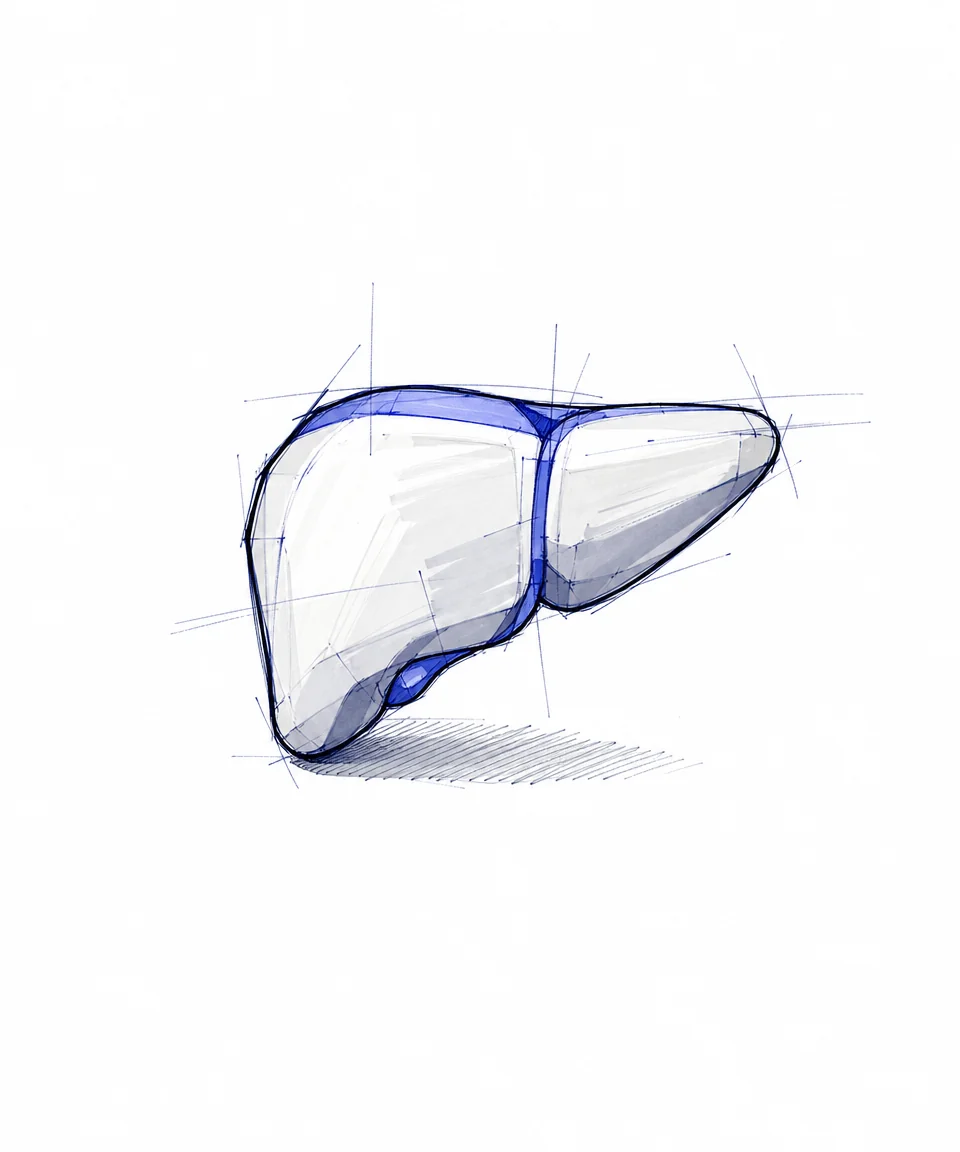
Shedding of CD46 from hepatocytes into circulation reflects a stress response of hepatocytes to fat loading, which appears to be connected with activation of innate-like lymphocyte responses; therefore, soluble CD46 is unlike other established clinical liver markers by measuring a different type of hepatocyte property indicating cell injury, synthetic function, detoxifying activity, fibrosis or systemic inflammation. Soluble CD46 is a promising clinical marker of patients with steatosis at risk of developing early liver inflammation, a prevalent subset that could benefit from earlier clinical detection and intervention.
Medical Technology
Novel coating of catheter-based cardiac devices
Preventing instent-restenosis by inhibiting TRPC6
Klinikum rechts der Isar der TU München
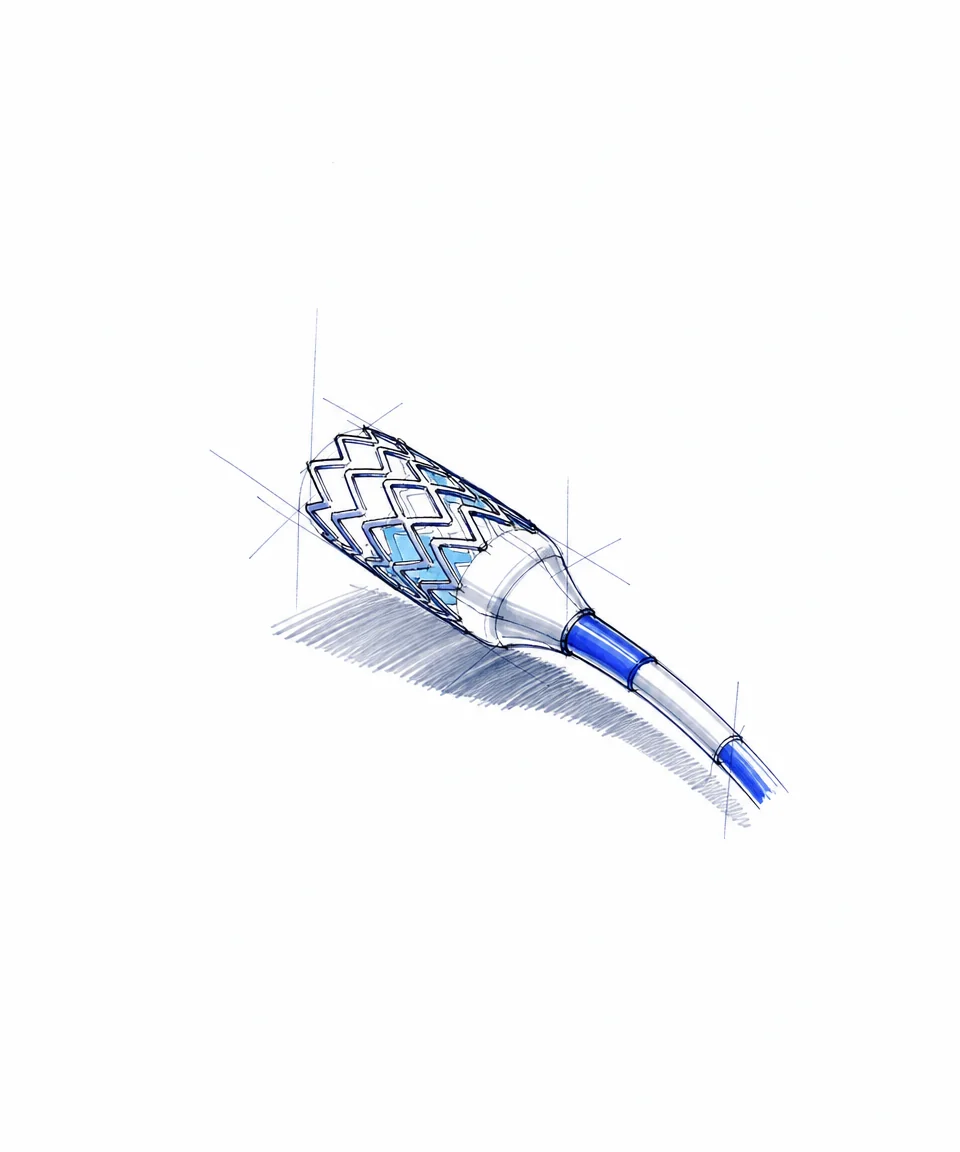
Stent implantation and balloon angioplasty constitute the most commonly used interventional coronary procedures in cardiovascular medicine. A central problem is the consecutive re-narrowing of the previously opened vessel area due to excessive formation of scar tissue. A narrowing of more than 50% of the vessel diameter is called restenosis, which occurs in 15-20% of patients using contemporary balloon and stent technologies.
Compounds such as the chemotherapy drug paclitaxel or the immunosuppressant rapamycin are used to coat stents and balloons. They all have an anti-proliferative effect on the vascular cells, e.g. vascular smooth muscle cells, but a non-specific inhibitory effects on proliferation on surrounding cells including endothelial cells. In addition, migration is also a pathophysiological process that is inadequately represented by coatings in use but a prerequisite for scar tissue formation.
To detect key drivers of vascular remodelling and to develop new strategies for prevention and therapy of restenosis, high-accuracy proteomic measurement of single femoral arteries in mice after wire-induced injury was used to identify the classical transient receptor potential channel 6 (TRPC6) as a protein driving restenosis formation. Expression of TRPC6 is only increased in vessels in early acute phases of vascular injury. Local application of TRPC6 inhibitors on coronary devices therefore facilitates a specific therapeutic application on injured vascular tissue and prevents formation of scar tissue.
Diagnostics
Carbon nanofiber electrodes for use in lateral flow assays
Combining electrochemistry and the principle of flow assays
University of Regensburg
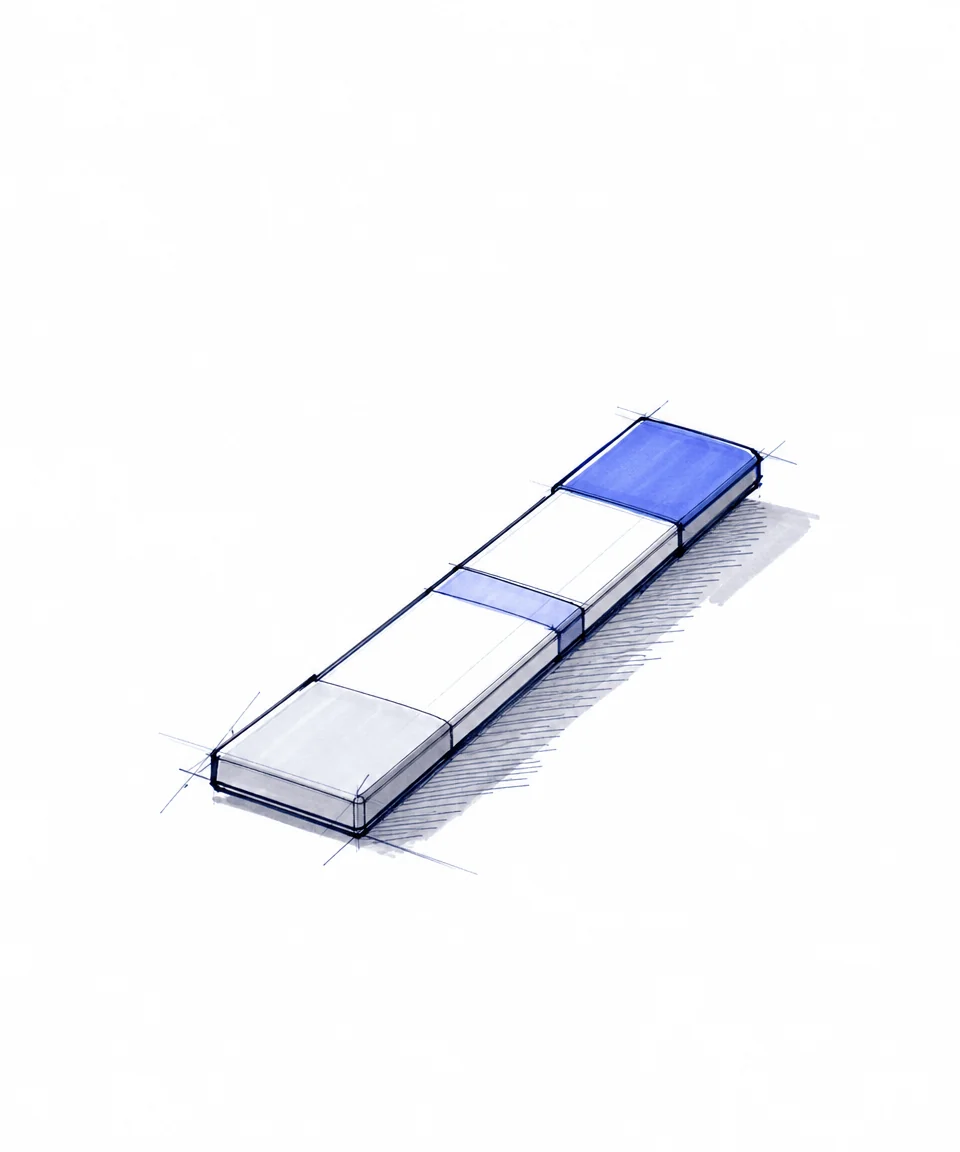
Lateral flow assays (LFAs) are immunochromatographic rapid tests in strip format that are fast and easy-to-use without a need for specialized staff or expensive equipment. These portable devices detect target substances in a liquid sample via colorimetry and are based on an antigen-antibody reaction. Electrochemical systems, on the other hand, use electrodes and enable a more sensitive and quantitative measurement compared to colorimetric detection.
In conventional LFAs, colorimetric detection by eye or camera only allows for semi-quantitative results. More advanced readout devices can measure reflectometrically or fluorescently but are very expensive. This defeats the purpose of a cheap test for a quick and easy use at home for consumers. There are currently no electrodes that can be integrated in a flow system and allow for electrochemical measurements in a 3D electrode network in conventionasl LFAs.
The invention describes printable freestanding laser-induced carbon nanofibers (LCNF) with outstanding analytical performance that can easily allow such miniaturization through a paper-based microfluidic strategy. 3D-carbon nanomaterials have proven to be high-performance transducers in electrochemical sensors. The LCNF electrodes were generated from electrospun polyimide nanofibers and one-step laser carbonization. Integration into closed microfluidic systems highlights that 3D porous structures provide excellent analytical performance and translation to affordable lab-on-a-chip devices such as LFAs.
Mechanical Engineering
Vibration-Resistant Microphone Based on ALTP
Recording sound in the form of fluctuations in temperature
Landshut University of Applied Sciences
Sound creates a traveling wave leading to variations in pressure and density. In a typical microphone, this pressure wave is converted to an electrical signal by means of a vibrating membrane. In contrast, this invention uses an atomic-layer thermopile (ALTP) to detect the characteristic thermal fluctuations that are also part of the sound wave. This gives it several inherent advantages over classical microphones.
In most microphones, the pressure fluctuations constituting sound are picked up by a membrane, causing it to vibrate mechanically. These vibrations are then converted to an electric signal by one out of several possible mechanisms. This in turn means that acceleration or non-acoustic vibrations of the membrane, caused e.g. by wind or a moving frame of reference, will degrade the recorded signal. If the eigenfrequency of the membrane is excited, any useful signal may even be drowned out entirely.
In the present invention, the substrate of an atomic layer thermopile (ALTP) sensor element is kept at a temperature somewhat above that of the surrounding medium. When an acoustic wave strikes the sensor, the temperature on the exposed side changes slightly, affecting the heat flow through the sensor element, thereby creating a voltage fluctuation due to the transverse Seebeck effect. This unique operating principle renders the ALTP sensor resistant to acceleration, making it immune to structure-borne vibrations or frequency excitations that adversely affect the membrane of a classical microphone.
Mechanical Engineering
Vibration Decou-pling for Dilution Refrigerators
Minimal vibration transfer from cryostat to sample
Technical University of Munich
This invention mechanically decouples the sample holder from the surrounding cryostat, making it ideally suited for quantum computing and particularly vibration sensitive measurement applications. Unlike previous solutions, it combines virtually indefinite continuous operation time at constant low temperature with minimal mechanical noise and easy handling – and can be retrofitted in most commercially available cryostats.
Due to the cumbersome handling and need for a continuous supply of expensive coolant in conventional wet cryostats, dry cryostats, with pulse-tube coolers doing the pre-cooling at the push of a button, have grown ever more popular. However, these come at the cost of additional vibrations within the cryostat itself. Thus, especially vibration-sensitive applicat-ions require pausing the pulse-tube cooler and relying on passive insulation. This is of course not possible for indefinite periods of time.
In this patent-pending system, the sample holder is hanging freely inside the cryostat, effectively decoupling the two. The connection to the external mount consists of multiple stages of mechanically damping and thermally insulating components. In order to reach target temperature <10 mK, the support incorporates additional radiation shielding as well as mechanically flexible thermal bridges to select stages of the cryostat. A lab-scale prototype has been in use by the inventors for more than a year supporting several different use cases. Resulting mechanical noise is at least as low as for wet cryostats.
Diagnostics
Point-of-care blood test for early sepsis diagnosis
Functional platelet GPVI assay detects sepsis up to 36h earlier
Julius-Maximilian-University Würzburg
Sepsis is a life‑threatening complication of infection in ICU and emergency care, where each hour of delayed diagnosis and treatment significantly increases mortality. Conventional biomarkers such as CRP, PCT or lactate often rise late and lack specificity, limiting early risk stratification. A rapid full‑blood assay that detects sepsis before organ failure manifests can substantially improve triage, ICU admission and patient outcomes.
Clinicians urgently need better tools for early sepsis detection and severity stratification. Each hour of delayed diagnosis increases mortality, yet standard markers (CRP, PCT, lactate) and scores often identify sepsis only after organ dysfunction is established and poorly discriminate patients at risk of septic shock. This leads to late ICU admissions, suboptimal triage and avoidable deaths, particularly in overcrowded emergency rooms and hospital wards.
The invention provides a functional platelet‑based sepsis IVD that measures GPVI‑mediated activation defects in full blood after stimulation with defined agonists. Using standard methods (aggregometry, FACS, ELISA), the assay clearly separates sepsis from non‑septic infection and healthy controls and shows a robust shift between sepsis and septic shock. In a 250‑patient study it outperformed CRP, PCT and lactate, enabled diagnosis up to 36 hours earlier, and GPVI dysfunction correlated significantly with disease severity, supporting use for early diagnosis and risk stratification.
Therapeutics
Anti-myeloid peptides to combat Alzheimer's
Nanomolar inhibitors with drug-like properties
Technical University of Munich
Alzheimer‘s disease (AD) is a yet incurable neurodegenerative disease that slowly and progressively worsens. The most common early symptom is difficulty in remembering recent events and as the disease advances, symptoms include problems with language, disorientation, mood swings, loss of motivation, self-neglect and behavioral changes. Ultimately, bodily functions are lost leading to death.
AD is characterized by extracellular deposition of amyloid-ß (Aß). Despite the established link to amyloid plaques of ß-amyloid peptide (Aß) in the brain, all anti-Aß therapeutic strategies have so far failed e.g. antibody-based approaches aimed at blocking amyloid self-assembly. However, the development of anti-amyloid compounds is an important target of AD-related research. For this reason, there is an urgent need to develop novel classes of amyloid inhibitors.
MCIP 2E was confirmed as a potent inhibitor of amyloidogenesis in several in vitro assays and a mouse model of Alzheimer’s disease (unpublished data). Its drug-like properties include small size (<20 amino acids), high solubility, potent amyloid inhibitor function (nanomolar IC50) and Aß-40(42) binding affinity, target selectivity and blood brain barrier (BBB) permeability (determined using in vitro models). In light of the extremely low BBB as one of the weak points of antibody-based approaches, the above listed properties make MCIPs suitable drug candidates.
Mechanical Engineering
Acoustic Vibrational Mode Tracking - AVMT
Vibrations become visible and understandable
Landshut University of Applied Sciences
This invention measures vibrations on surfaces and makes them visible. It is ideal for non-destructive testing of components or for analyzing the oscillation properties of components or even musical instruments. Until now, a two-dimensional measurement has only been possible using extremely complex and expensive methods. The present innovation uses simple audio components and still offers high accuracy and comprehensible graphical evaluations.
The two-dimensional measurement of vibrations on components is complex. Laser vibrometers measure only in the focal point of a laser beam. The measurement of a planar surface vibration can only be performed using several measuring heads or via scanning processes. Acceleration sensors only allow point measurements and influence the vibration behavior due to their own weight, since they sit on the object to be measured.
A planar vibration analysis, especially of non-repetitive events, is difficult to display with conventional measurement technology. The patent-pending system uses the speed of sound to calculate a two-dimensional dataset of the sound wave propagation in a vibrating component or in a group of components. The measurement is carried out with the aid of microphone pairs. These record the sound velocity and accurately calculate the geometric deflection of the vibrating surface based on their position. Reliable measurement of large-scale components seems possible.
Optics and Imaging
Wavefront sensor for advanced surface metrology
Simple measurement principle for complex surfaces
Deggendorf Institute of Technology
This invention simplifies the measurement of shape deviations on lenses, aspheres, mirrors, prisms or freeform optics. It overcomes the limited resolution of Shack-Hartmann sensors, offers higher slope acceptance angles than interferometers and delivers results in a very short timeframe compared to tactile measurement systems. The measurement principle is robust, simple and contact-free. Implementation does not depend on specialized components.
The production of optical surfaces demands precise and reliable metrology systems to detect minute fabrication errors and to ensure ever tighter tolerances on form and slope errors. Advanced optical elements with aspheric or freeform surfaces may be difficult to analyze with standard equipment because of their deviation from the spherical form and high slope angles. Interferometers or Shack-Hartmann sensors (SHS) may be utilized to measure aspheres and freeform optics.
To overcome the limitations of the SHS while retaining its high flexibility, a next-generation wavefront sensor with an increased performance in surface metrology is needed. This new wavefront sensor does not depend on a microlens array. In contrast to the SHS, each photosite of the image sensor is employed to detect the surface slope of an optical element. This increases the spatial resolution. Accordingly, it enables the measurement of surface errors with higher spatial frequencies. The system can be built from readily available components and utilizes a robust evaluation algorithm.