
Anti-myeloid peptides to combat Alzheimer's

Challenge and innovation
AD is characterized by extracellular deposition of amyloid-ß (Aß). Despite the established link to amyloid plaques of ß-amyloid peptide (Aß) in the brain, all anti-Aß therapeutic strategies have so far failed e.g. antibody-based approaches aimed at blocking amyloid self-assembly. However, the development of anti-amyloid compounds is an important target of AD-related research. For this reason, there is an urgent need to develop novel classes of amyloid inhibitors.
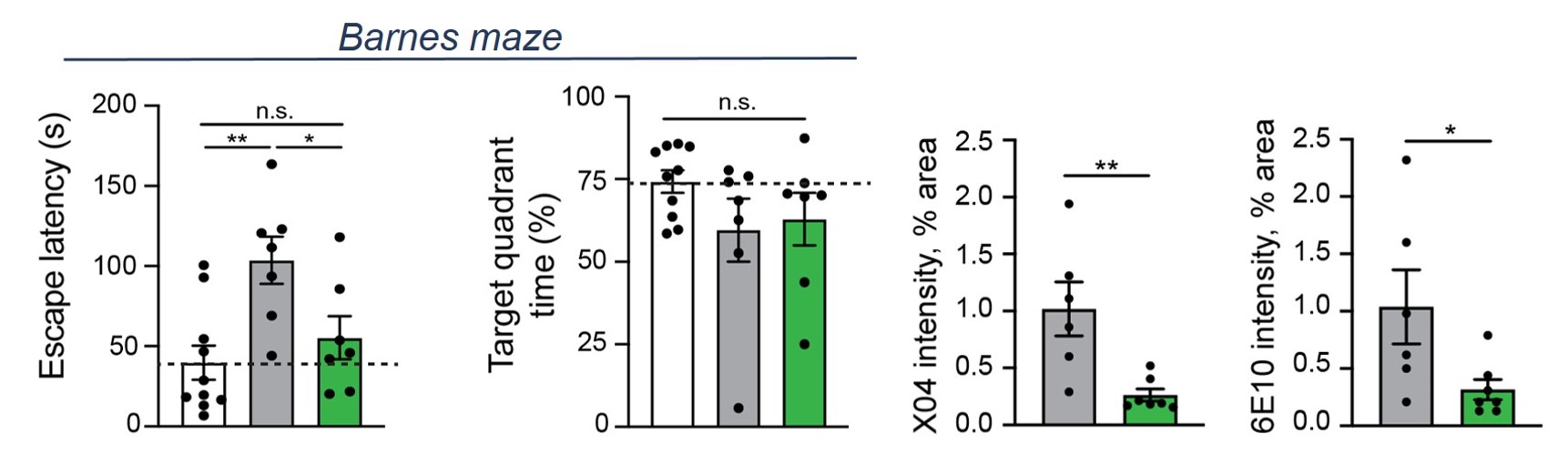
MCIP 2E was confirmed as a potent inhibitor of amyloidogenesis in several in vitro assays and a mouse model of Alzheimer’s disease (unpublished data). Its drug-like properties include small size (<20 amino acids), high solubility, potent amyloid inhibitor function (nanomolar IC50) and Aß-40(42) binding affinity, target selectivity and blood brain barrier (BBB) permeability (determined using in vitro models). In light of the extremely low BBB as one of the weak points of antibody-based approaches, the above listed properties make MCIPs suitable drug candidates.

Talk to an expert
Interested in learning more about this technology offer, exploring potential applications or discussing a possible collaboration? Get in touch to learn more.