
Nanoparticles for diabetic nephropathy

Challenge and innovation
A major limitation in treating mesangial cell-associated diseases such as IgA nephropathy, diabetic nephropathy, or lupus nephritis is the poor drug availability in the glomerular mesangium; effectively delivering therapeutics via targeted nanoparticles combined with an appropriate nanoparticle target retention time to trigger relevant biological effects in the mesangium remains difficult.
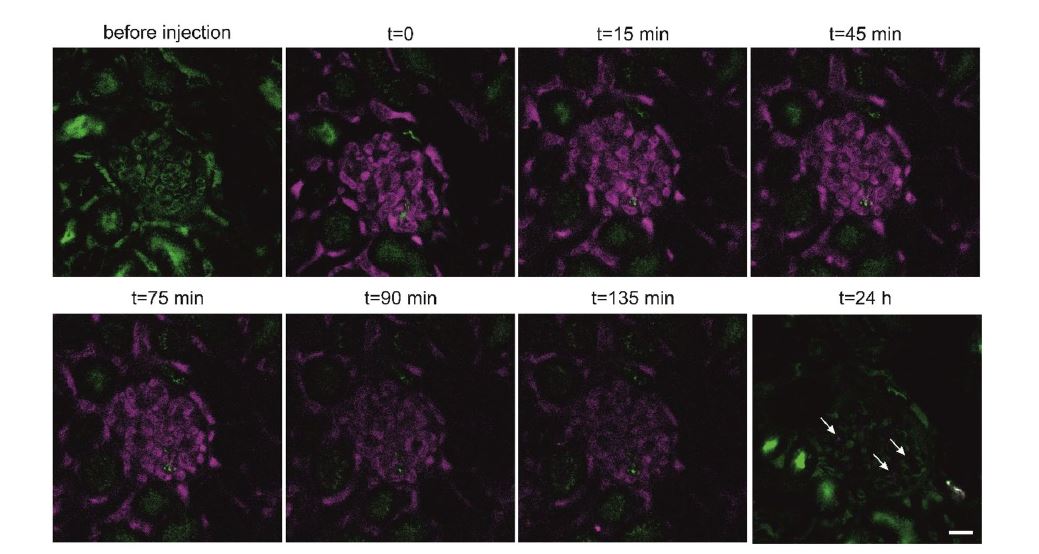
The invention described here involves virus-mimetic nanoparticles that are able to transport drugs into the mesangium of the kidney. The nanoparticles use a novel sequential recognition process that is used in a similar way by viruses to recognize their target cells. In contrast to other nanomaterials, the virus-mimetic particles are able to effectively accumulate in the cells of the mesangium. Active targeting of nanoparticles with surface-bound ligands to the glomerular mesangium represents a promising strategy to improve drug availability

Talk to an expert
Interested in learning more about this technology offer, exploring potential applications or discussing a possible collaboration? Get in touch to learn more.