
Novel coating of catheter-based cardiac devices

Challenge and innovation
Compounds such as the chemotherapy drug paclitaxel or the immunosuppressant rapamycin are used to coat stents and balloons. They all have an anti-proliferative effect on the vascular cells, e.g. vascular smooth muscle cells, but a non-specific inhibitory effects on proliferation on surrounding cells including endothelial cells. In addition, migration is also a pathophysiological process that is inadequately represented by coatings in use but a prerequisite for scar tissue formation.
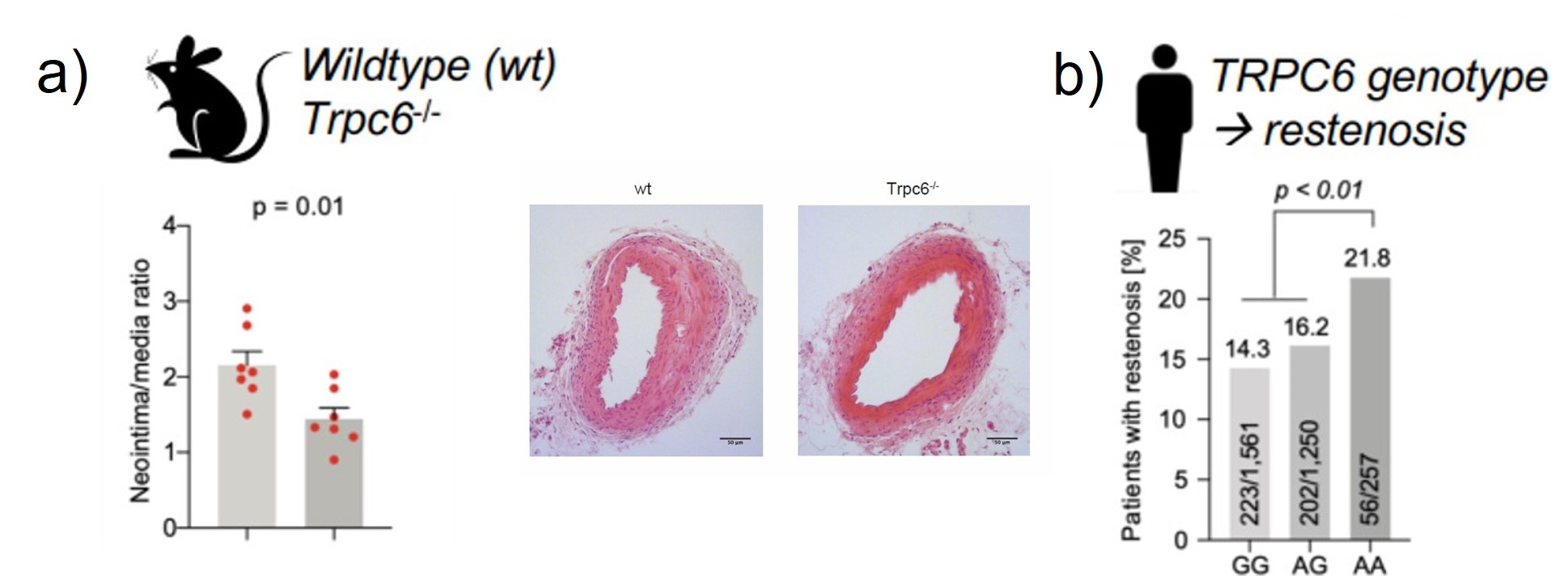
To detect key drivers of vascular remodelling and to develop new strategies for prevention and therapy of restenosis, high-accuracy proteomic measurement of single femoral arteries in mice after wire-induced injury was used to identify the classical transient receptor potential channel 6 (TRPC6) as a protein driving restenosis formation. Expression of TRPC6 is only increased in vessels in early acute phases of vascular injury. Local application of TRPC6 inhibitors on coronary devices therefore facilitates a specific therapeutic application on injured vascular tissue and prevents formation of scar tissue.

Talk to an expert
Interested in learning more about this technology offer, exploring potential applications or discussing a possible collaboration? Get in touch to learn more.