
Apnea Treat- a minimally invasive implant for Sleep apnea therapy

Challenge and innovation
In addition to changes in sleeping habits, severe OSA ist currently treated with continuous positive airway pressure (CPAP) therapy. However, this method relies heavily on patient compliance and around 26% of patients discontinue the CPAP treatment within the first 3 months. An alternative, a surgical insertion of neurostimulating implants („tongue pacemakers”) is a demanding procedure, batteries have to be changed and the technology is often not compatible with magnetic resonance imaging.
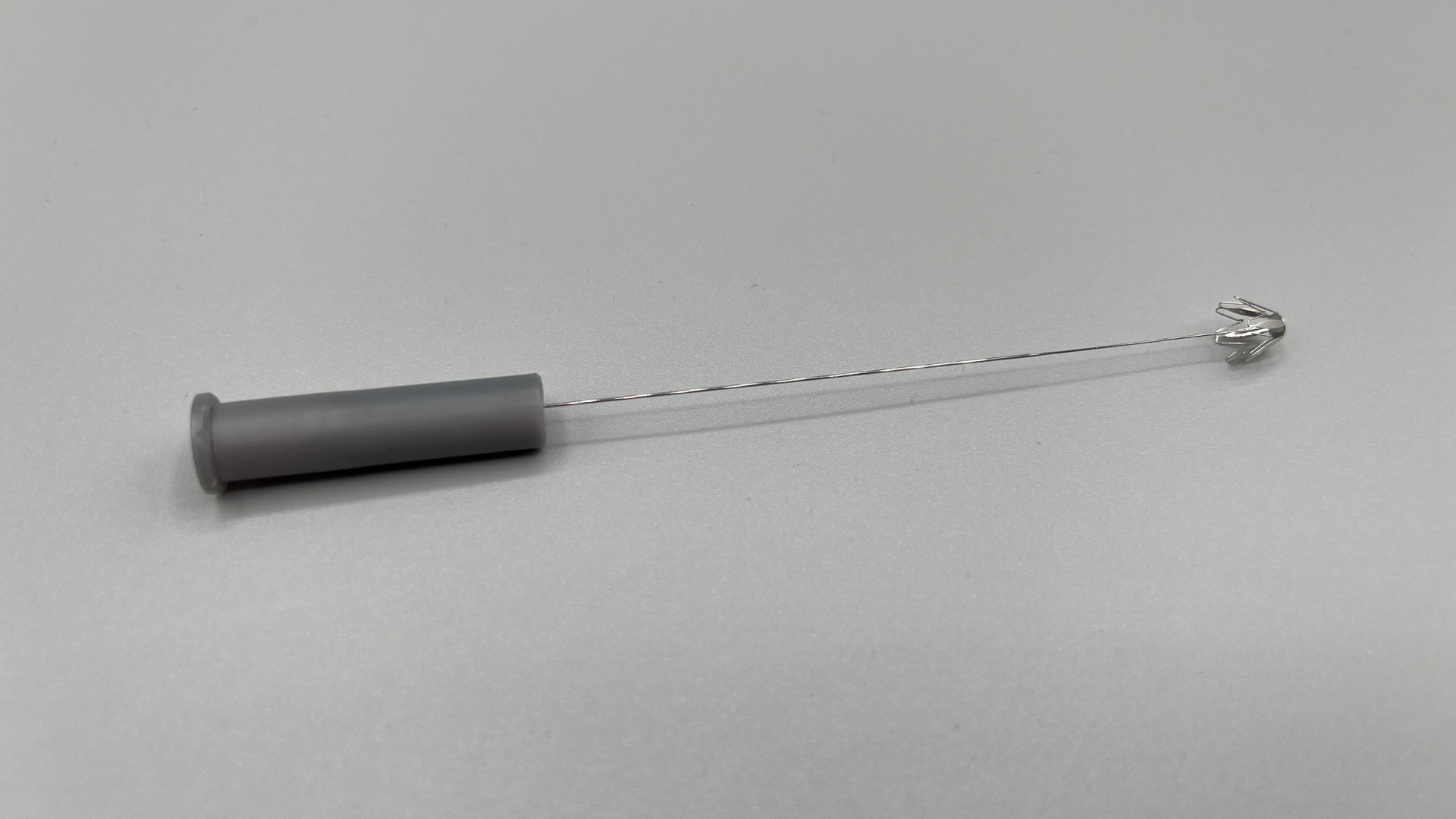
The invention describes an implant for the treatment of OSA which stabilizes the tongue during sleep, thereby preventing obstruction of the airways. The tissue anchor is inserted during a 30-minute minimally invasive procedure and anchored in the tongue tissue via a balloon catheter. The distal anchor element may have an umbrella-like structure, which radially expands around a pivot to assume the deployed configuration. The implant allows for normal tongue movement, but prevents a collapse of the airway. The patient can activate the implant via tongue movements that do not occur in everyday life.

Talk to an expert
Interested in learning more about this technology offer, exploring potential applications or discussing a possible collaboration? Get in touch to learn more.